

IGF-1 LR3 represents a modified analog of insulin-like growth factor 1 that has garnered significant attention within research communities studying cellular growth, metabolism, and tissue development. This synthetic peptide variant features structural modifications that distinguish it from naturally occurring IGF-1, offering researchers unique characteristics for laboratory investigation. Understanding the biochemistry, applications, and proper handling of igf 1 lr3 has become essential for facilities conducting peptide research, particularly those exploring growth factor mechanisms and metabolic pathways. As research methodologies evolve, this peptide continues to serve as a valuable tool for investigating cellular processes across multiple biological systems.
Structural Characteristics and Biochemical Properties
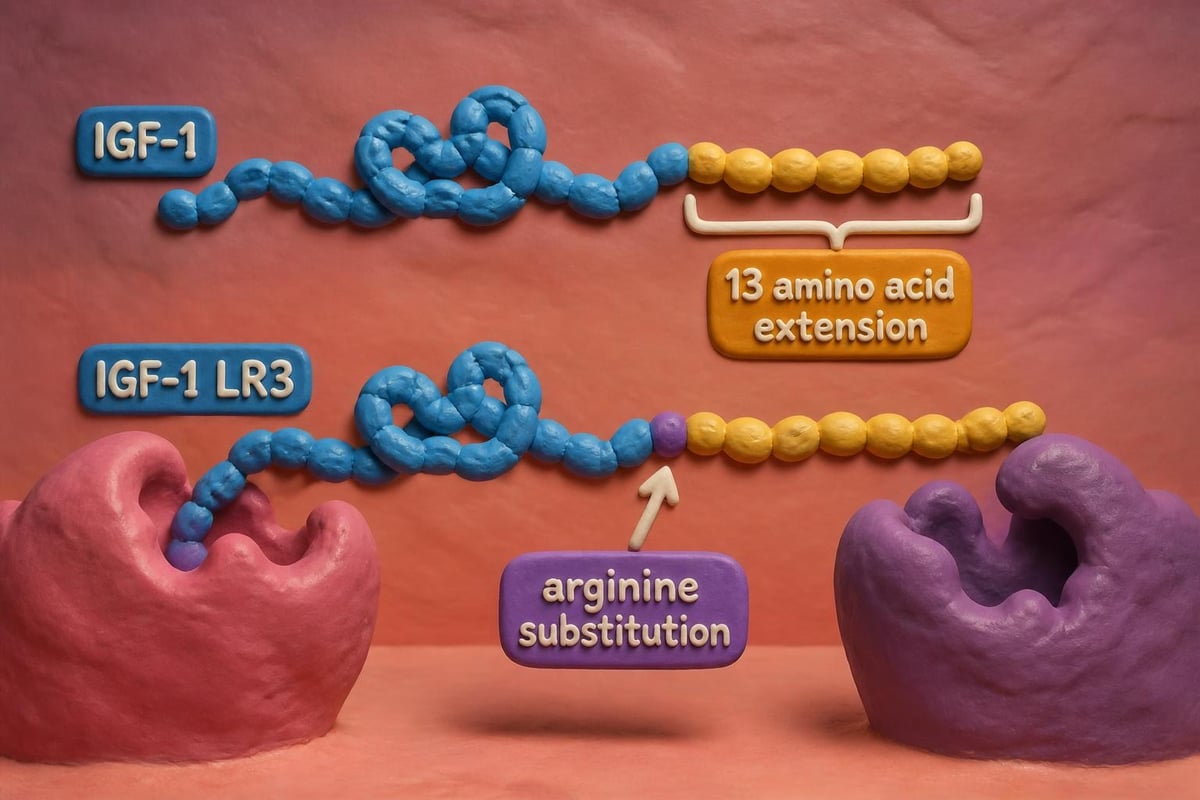
The molecular architecture of igf 1 lr3 incorporates two primary modifications that fundamentally alter its behavior compared to native IGF-1. The peptide contains 83 amino acids, featuring an N-terminal extension of 13 amino acids that differentiates it from the standard 70-amino acid IGF-1 structure. Additionally, researchers engineered a substitution at position 3, where arginine replaces the original glutamic acid residue.
These structural changes produce measurable functional differences. The modified structure significantly reduces the peptide's affinity for IGF-binding proteins (IGFBPs), which typically regulate and limit IGF-1 bioavailability in biological systems. According to research compiled by the Peptide Science Institute, this reduced binding affinity extends the peptide's half-life to approximately 20-30 hours, compared to the 10-minute half-life of unbound native IGF-1.
Molecular Stability Considerations
Laboratory handling of igf 1 lr3 requires attention to stability parameters. The peptide demonstrates optimal stability when stored at temperatures between -20°C and -80°C in lyophilized form. Once reconstituted, researchers typically store working solutions at 2-8°C for short-term use, though freezing aliquots at -20°C preserves long-term viability.
Key stability factors include:
- pH levels between 3.0 and 4.0 for maximum stability
- Protection from repeated freeze-thaw cycles
- Use of acidified solutions for reconstitution
- Minimization of exposure to room temperature
The extended half-life enables researchers to design protocols with less frequent administration intervals, simplifying experimental timelines while maintaining consistent peptide exposure in test systems.
Mechanism of Action in Research Models
IGF-1 LR3 exerts its effects primarily through activation of the IGF-1 receptor (IGF-1R), a tyrosine kinase receptor present on cell surfaces across numerous tissue types. When the peptide binds to IGF-1R, it triggers intracellular signaling cascades that influence cellular behavior through multiple pathways.
The two predominant signaling pathways activated by igf 1 lr3 include the phosphatidylinositol 3-kinase (PI3K)/AKT pathway and the mitogen-activated protein kinase (MAPK) pathway. The PI3K/AKT pathway primarily governs metabolic processes, protein synthesis, and cell survival mechanisms. Meanwhile, the MAPK pathway influences cell proliferation, differentiation, and gene expression patterns.
Research documented in the comprehensive studies collection demonstrates that these signaling pathways work synergistically to produce measurable effects on cellular metabolism, growth patterns, and protein synthesis rates in various experimental models.
Cellular Response Patterns
Different cell types exhibit varying sensitivities to igf 1 lr3 based on their receptor density and downstream signaling components. Muscle cells, for example, demonstrate robust responses due to high IGF-1R expression levels, making them frequent subjects in research protocols examining growth factor effects on tissue development.
| Cell Type | Receptor Density | Primary Response | Research Applications |
|---|---|---|---|
| Skeletal Muscle | High | Protein synthesis, glucose uptake | Metabolism studies, growth research |
| Adipocytes | Moderate | Glucose metabolism, differentiation | Metabolic disease models |
| Hepatocytes | Moderate-High | Glucose regulation, protein production | Metabolic pathway research |
| Fibroblasts | Moderate | Proliferation, collagen synthesis | Wound healing models |
The reduced IGFBP binding characteristic of this peptide analog means more molecules remain available to interact with cellular receptors, potentially amplifying response magnitudes compared to equivalent molar concentrations of native IGF-1.
Research Applications and Laboratory Protocols
Researchers utilize igf 1 lr3 across diverse experimental frameworks, each designed to investigate specific aspects of growth factor biology and cellular regulation. Metabolic research represents one prominent application area, where scientists examine how the peptide influences glucose uptake, insulin sensitivity, and energy utilization in various cell types and tissue models.
The Peptide Association’s research overview highlights several established research domains where this peptide provides valuable experimental tools. Muscle biology studies frequently incorporate igf 1 lr3 to investigate mechanisms controlling protein synthesis rates, satellite cell activation, and hypertrophic responses under controlled conditions.
Experimental Design Considerations
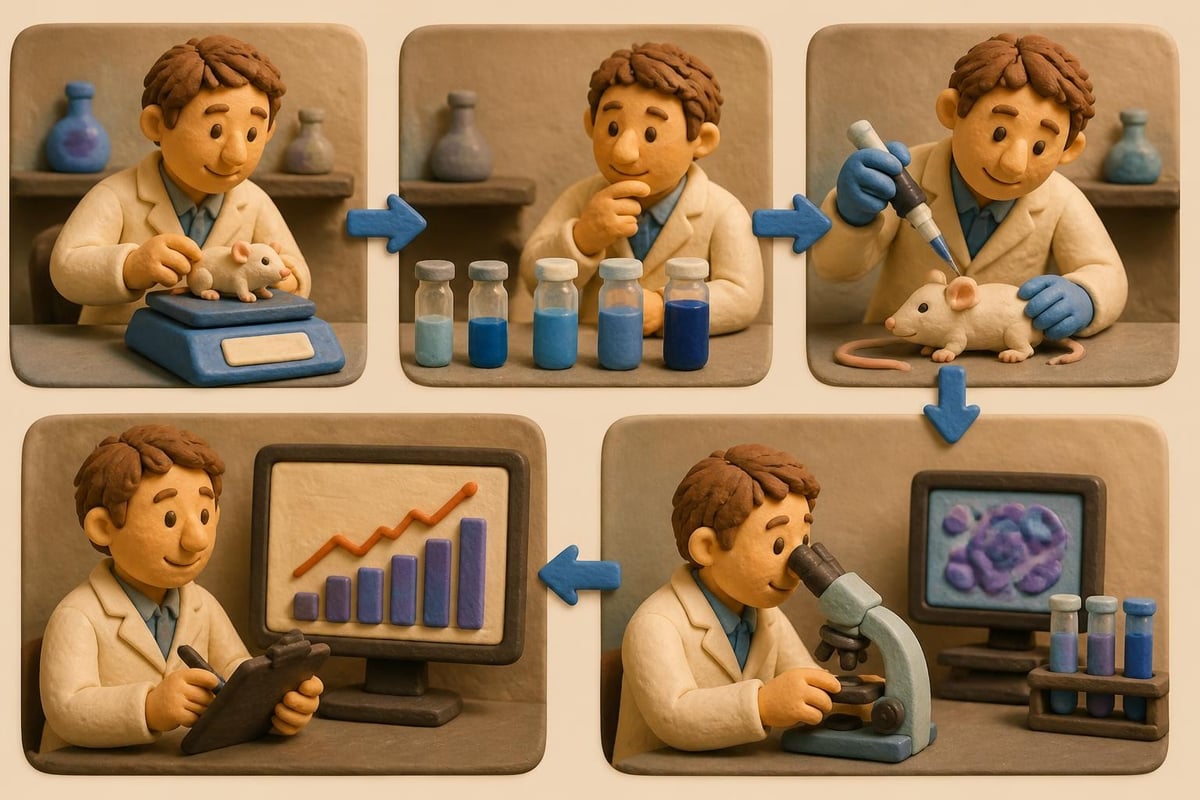
Successful research protocols require careful attention to multiple variables that influence experimental outcomes. Dose selection, timing intervals, and duration of exposure all significantly impact measured endpoints and data interpretation.
Critical protocol elements include:
- Establishing baseline measurements before peptide introduction
- Selecting appropriate dose ranges based on cell type and research objectives
- Implementing proper vehicle controls for comparative analysis
- Monitoring multiple timepoints to capture dynamic response patterns
- Validating receptor activation through downstream marker assessment
Cell culture experiments typically employ concentrations ranging from 10 ng/mL to 100 ng/mL, though optimal ranges vary based on specific cell lines and experimental endpoints. Researchers working with tissue models or more complex systems adjust protocols accordingly, factoring in additional biological variables that influence peptide distribution and clearance.
Safety Profiles and Observed Effects in Laboratory Settings
Understanding the complete safety profile of igf 1 lr3 remains essential for researchers designing experiments and interpreting results. The detailed side effect documentation compiled by research organizations provides valuable reference material for laboratory personnel working with this compound.
Hypoglycemia represents the most frequently documented concern in experimental models, resulting from the peptide's insulin-like metabolic effects. When igf 1 lr3 activates cellular glucose uptake mechanisms without corresponding nutritional intake, blood glucose levels can decrease significantly. This effect requires monitoring in animal models and consideration in cell culture glucose concentrations.
Documented Laboratory Observations
Research facilities have reported various observations when working with this peptide across different model systems. Injection site reactions occur in animal models when administration techniques introduce local irritation or when concentrations exceed recommended ranges. These localized responses typically manifest as temporary inflammation or tissue sensitivity at injection locations.
Long-term exposure studies have identified additional considerations. The comprehensive risk analysis from ScienceInsights examines theoretical concerns about prolonged growth factor signaling, including potential effects on cellular proliferation patterns and tissue architecture over extended timeframes.
| Observed Effect | Frequency | Severity | Mitigation Strategies |
|---|---|---|---|
| Hypoglycemia | Common | Moderate | Glucose monitoring, nutritional adjustment |
| Injection site reactions | Occasional | Mild | Proper technique, concentration management |
| Fluid retention | Variable | Mild-Moderate | Monitoring, protocol adjustment |
| Joint discomfort | Rare | Mild | Dose reduction, observation period |
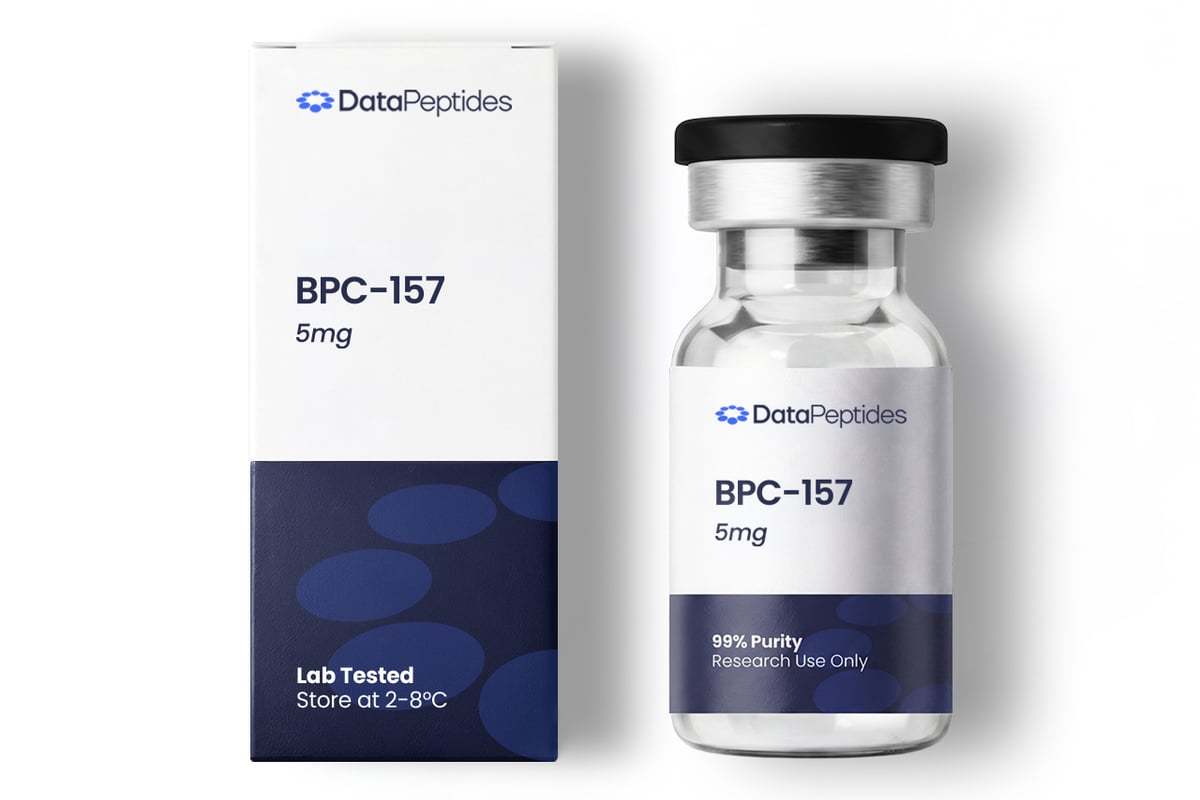
Research facilities working with tissue regeneration studies have occasionally noted that compounds supporting cellular repair mechanisms offer complementary research avenues. BPC-157, for instance, has been investigated for its capacity to support tissue repair through distinct mechanisms involving growth factor regulation and inflammatory modulation, providing researchers with alternative peptides for comparative studies.
The extensive side effect database maintained by research communities emphasizes the importance of systematic monitoring protocols and careful dose management throughout experimental timelines.
Dosing Protocols and Administration Guidelines for Research
Research facilities employ various dosing strategies when working with igf 1 lr3, tailored to specific experimental objectives and model systems. The comprehensive dosage guide provides frameworks that researchers adapt based on their particular study parameters and target outcomes.
In cell culture applications, researchers typically prepare stock solutions at concentrations between 0.1 mg/mL and 1.0 mg/mL, then dilute to working concentrations appropriate for specific experiments. These working solutions generally range from 10 ng/mL to 100 ng/mL, though some protocols examining high-dose effects may explore concentrations up to 500 ng/mL under carefully controlled conditions.
Timing and Frequency Considerations
The extended half-life of igf 1 lr3 influences administration schedules in research models. Unlike native IGF-1, which requires frequent administration to maintain steady-state levels, this analog's improved stability enables less frequent dosing intervals while achieving sustained receptor activation.
Typical research administration patterns include:
- Daily administration for continuous exposure studies
- Every-other-day protocols for extended experiments
- Single-dose studies examining acute response patterns
- Pulsatile dosing to investigate cycling effects
Animal model protocols generally account for body weight when calculating doses, with common ranges falling between 0.1 mg/kg and 1.0 mg/kg depending on research objectives. Researchers working with larger animals or longer-duration studies may adjust these parameters based on pharmacokinetic modeling and preliminary dose-finding experiments.
Quality Assurance and Analytical Verification
Research-grade igf 1 lr3 requires rigorous quality control measures to ensure experimental reliability and data validity. Third-party testing through independent laboratories provides objective verification of peptide identity, purity, and concentration accuracy.
High-performance liquid chromatography (HPLC) serves as the primary analytical method for purity assessment. Research-grade peptides typically demonstrate purity levels exceeding 98%, with detailed analytical certificates documenting the specific purity percentage, retention times, and peak characteristics. Mass spectrometry provides additional verification by confirming the exact molecular weight matches theoretical calculations for the 83-amino acid sequence.
Storage and Handling Best Practices
Maintaining peptide integrity from receipt through experimental use requires systematic handling procedures. Lyophilized peptides arrive in sealed vials under vacuum or inert gas atmospheres, protecting them from oxidation and moisture exposure during storage and shipping.
Upon receipt, research facilities should immediately transfer peptides to appropriate storage conditions. Long-term storage at -20°C or -80°C preserves peptide stability for extended periods, typically 12-24 months when properly handled. Once researchers reconstitute peptides, storage parameters shift to refrigeration temperatures (2-8°C) for short-term use spanning several weeks.
Critical handling protocols include:
- Allowing vials to reach room temperature before opening to prevent condensation
- Using appropriate reconstitution solutions (bacteriostatic water, acetic acid solutions)
- Gentle mixing rather than vigorous shaking to prevent peptide aggregation
- Aliquoting reconstituted solutions to minimize freeze-thaw cycles
- Maintaining detailed records of reconstitution dates and storage conditions
The research directory maintained by Peptide Research emphasizes that proper handling significantly impacts experimental reproducibility and data quality across multiple studies.
Comparative Analysis with Native IGF-1 and Related Growth Factors
Understanding how igf 1 lr3 differs from both native IGF-1 and other growth factor analogs helps researchers select appropriate compounds for specific experimental objectives. The structural modifications that define this peptide produce functional characteristics that distinguish it from the endogenous hormone.
Native IGF-1 circulates predominantly in bound form, with IGFBPs regulating its bioavailability and tissue distribution. This binding serves important physiological regulatory functions but complicates research applications where investigators seek consistent, predictable peptide exposure. The modified structure of igf 1 lr3 circumvents this limitation, providing researchers with a tool that maintains activity independent of binding protein concentrations.
Performance Characteristics Across Research Models
Different experimental systems reveal varying performance characteristics when comparing igf 1 lr3 to native IGF-1. In cell culture models lacking significant IGFBP concentrations, both peptides demonstrate similar receptor activation profiles at equivalent molar concentrations. However, in serum-containing media or tissue models where binding proteins are present, igf 1 lr3 typically shows enhanced potency due to its reduced sequestration.
| Parameter | Native IGF-1 | IGF-1 LR3 | Research Implications |
|---|---|---|---|
| Half-life (unbound) | ~10 minutes | 20-30 hours | Dosing frequency, steady-state exposure |
| IGFBP affinity | High | Low | Bioavailability, effective concentration |
| Receptor selectivity | IGF-1R primary | IGF-1R primary | Signaling pathway activation |
| Stability in solution | Moderate | Enhanced | Protocol design, storage requirements |
Other growth factor analogs serve complementary research purposes. Researchers investigating combined growth factor effects may incorporate multiple peptides to examine synergistic or additive responses across different signaling pathways.
Regulatory Status and Research Compliance
IGF-1 LR3 maintains classification as a research compound not approved for human therapeutic use or dietary supplementation. This regulatory status carries important implications for research facilities, requiring appropriate institutional oversight and compliance with governing regulations.
Research institutions working with igf 1 lr3 typically operate under established protocols reviewed by institutional biosafety committees or similar oversight bodies. These committees evaluate research plans, safety protocols, and waste disposal procedures to ensure compliance with applicable regulations and institutional policies.
Documentation requirements include maintaining detailed records of peptide receipt, storage conditions, usage logs, and disposal methods. These records serve both regulatory compliance purposes and scientific reproducibility objectives, enabling other researchers to replicate experimental conditions accurately.
Procurement and Chain of Custody
Obtaining research-grade peptides requires working with established suppliers who specialize in laboratory-grade compounds and maintain appropriate quality systems. Reputable suppliers provide comprehensive documentation including certificates of analysis, safety data sheets, and handling recommendations.
The chain of custody from manufacturer through distribution to end-user research facilities should maintain peptide integrity and provide verification at each stage. Third-party testing by independent laboratories adds an additional verification layer, confirming that peptides meet stated specifications before researchers incorporate them into experimental protocols.
Research facilities should verify that suppliers maintain appropriate quality management systems, provide batch-specific documentation, and offer technical support for questions regarding handling, storage, or experimental design considerations.
Emerging Research Directions and Future Applications
Current research trajectories involving igf 1 lr3 span multiple scientific disciplines, reflecting the peptide's relevance to fundamental questions in cell biology, metabolism, and tissue development. Metabolic research continues exploring how growth factor signaling influences insulin sensitivity, glucose metabolism, and energy utilization across different tissue types and physiological states.
Muscle biology investigations examine the molecular mechanisms through which igf 1 lr3 influences protein synthesis rates, satellite cell behavior, and muscle fiber composition. These studies contribute to broader understanding of how growth factors regulate tissue maintenance and adaptive responses to various stimuli.
Researchers also investigate the peptide's effects on cellular aging processes, examining how growth factor signaling influences cellular senescence markers, mitochondrial function, and stress resistance mechanisms. These investigations intersect with broader research programs studying longevity pathways and age-related cellular changes.
Technological Advances Enabling New Research Approaches
Modern analytical techniques provide researchers with increasingly sophisticated tools for investigating igf 1 lr3 effects at molecular, cellular, and tissue levels. Advanced imaging technologies enable real-time visualization of signaling pathway activation, tracking how receptor engagement translates into downstream cellular responses.
Genomic and proteomic approaches allow comprehensive assessment of gene expression changes and protein modification patterns following peptide exposure. These high-throughput methods generate rich datasets that illuminate the complex networks through which growth factors influence cellular behavior.
Emerging methodological approaches include:
- Single-cell analysis revealing heterogeneous cellular responses
- Metabolomics profiling characterizing metabolic pathway shifts
- Advanced microscopy techniques visualizing receptor trafficking and signaling dynamics
- Computational modeling predicting optimal dosing protocols
- Multi-omics integration providing systems-level understanding
These technological capabilities continue expanding research possibilities, enabling investigations that would have been impractical with earlier methodological approaches.
IGF-1 LR3 continues serving as a valuable research tool for investigating growth factor biology, metabolic regulation, and cellular development across multiple experimental systems. Its unique structural characteristics and extended bioavailability provide researchers with distinct advantages for specific study designs requiring sustained growth factor exposure. For laboratories seeking reliable access to research-grade peptides with comprehensive quality documentation, Data Peptides provides US-manufactured, third-party tested compounds designed specifically for rigorous scientific investigation.