

The insulin-like growth factor (IGF) peptide family represents one of the most extensively studied classes of peptides in contemporary research. These naturally occurring compounds play fundamental roles in cellular growth, tissue repair, metabolic regulation, and overall physiological homeostasis. As research continues to advance in 2026, scientists are uncovering increasingly sophisticated applications for igf peptide variants in laboratory settings, particularly regarding their mechanisms of action and potential therapeutic pathways.
Understanding the IGF Peptide Structure and Function
The igf peptide family consists primarily of IGF-1 and IGF-2, both sharing structural similarities with insulin but serving distinct biological roles. IGF-1, also known as somatomedin C, contains 70 amino acids arranged in a specific sequence that determines its binding affinity to receptors throughout the body. Insulin-like growth factors exhibit remarkable structural homology to proinsulin, containing A, B, C, and D domains that contribute to their biological activity.
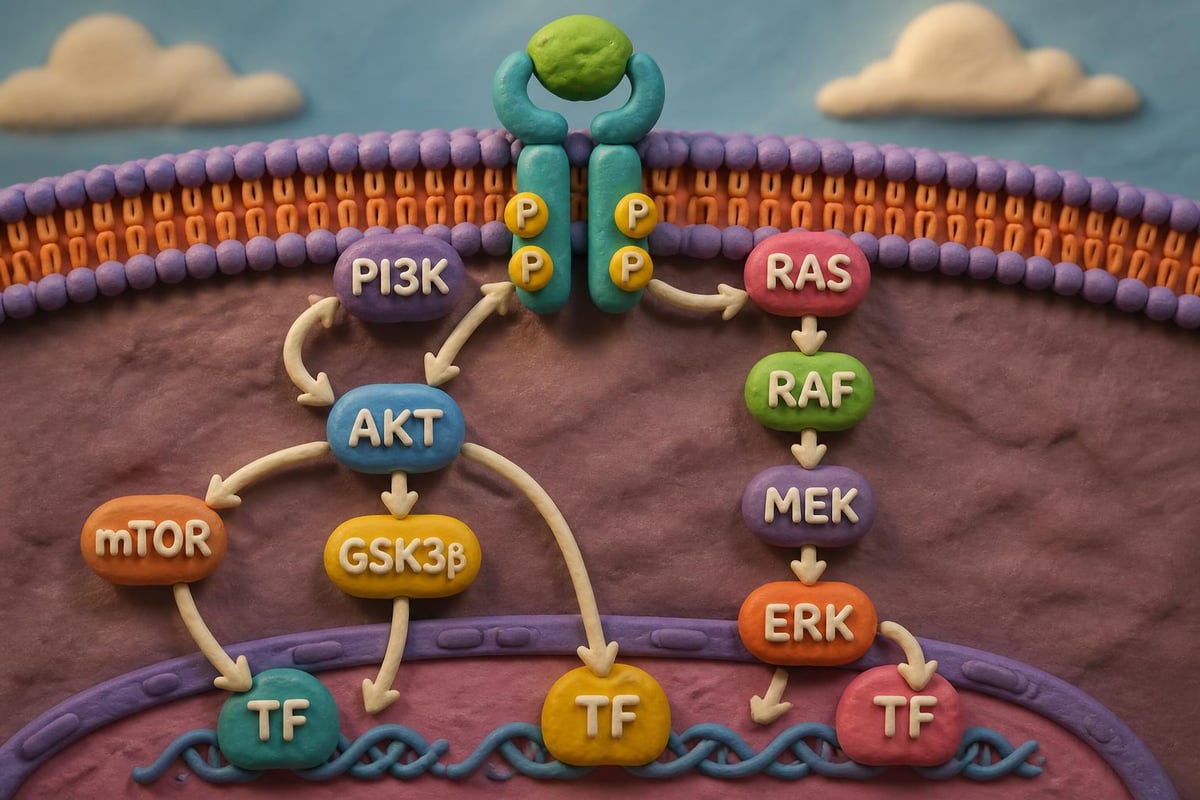
Research has demonstrated that an igf peptide functions primarily through interaction with IGF-1 receptors (IGF-1R), which are tyrosine kinase receptors distributed across multiple tissue types. Upon binding, these receptors initiate cascading intracellular signaling pathways including the PI3K/AKT and MAPK/ERK pathways, both critical for cell survival, proliferation, and differentiation.
Molecular Characteristics
The molecular weight of IGF-1 approximates 7,649 Daltons, making it a relatively small peptide with significant biological potency. The peptide's structure includes:
- A domain: Critical for receptor binding specificity
- B domain: Contributes to structural stability
- C domain: Influences biological half-life and bioavailability
- D domain: Affects receptor interaction dynamics
The structural configuration of an igf peptide directly influences its pharmacokinetic properties, receptor affinity, and biological effects in experimental models.
IGF Peptide Variants and Analogs
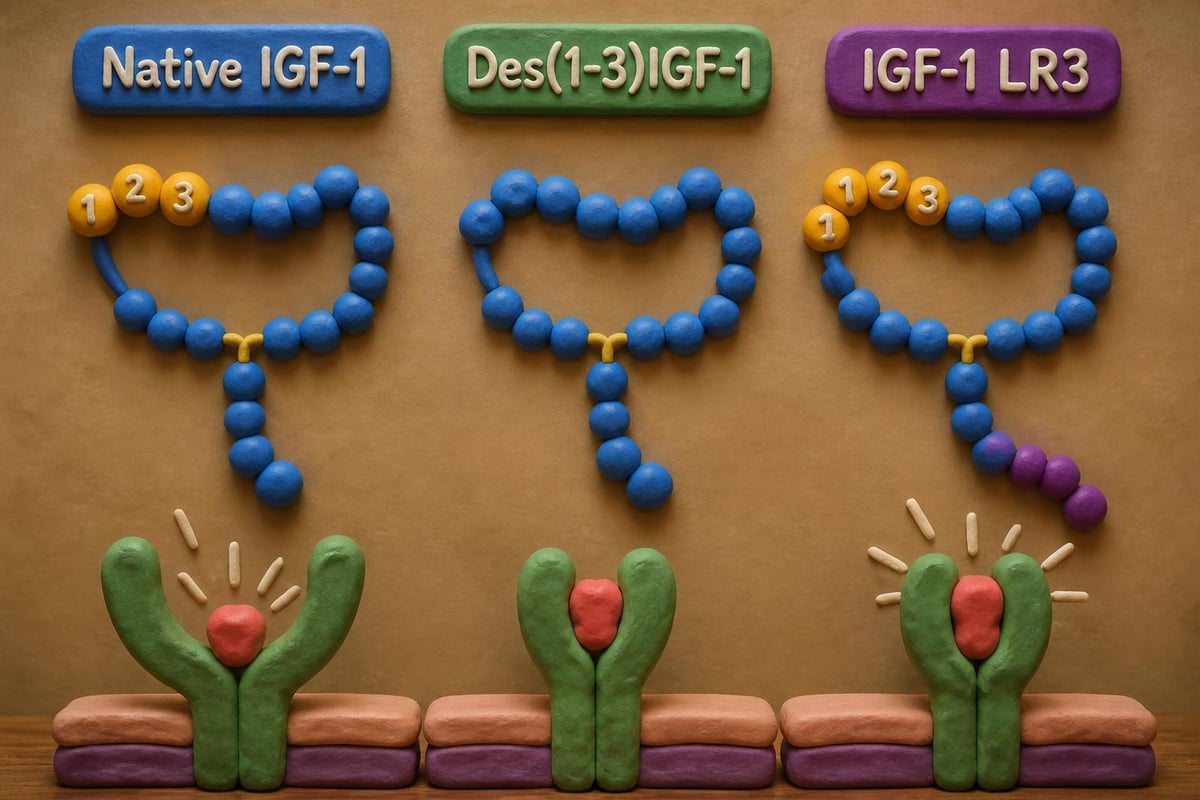
Researchers have developed several synthetic variants of the native igf peptide to enhance specific properties or overcome limitations associated with the natural form. These modifications typically aim to improve stability, increase potency, or extend biological half-life in experimental conditions.
Des(1-3)IGF-1
Des(1-3)IGF-1, also known as truncated IGF-1, represents a modified version lacking the first three N-terminal amino acids. This deletion significantly alters the peptide's biological profile:
| Property | Native IGF-1 | Des(1-3)IGF-1 |
|---|---|---|
| Binding to IGFBPs | High | Significantly Reduced |
| Receptor Affinity | Standard | Enhanced |
| Biological Potency | Baseline | 2-10x Higher |
| Systemic Half-life | 10-20 minutes | 20-30 minutes |
The reduced binding affinity to insulin-like growth factor binding proteins (IGFBPs) allows Des(1-3)IGF-1 to remain bioavailable for direct receptor interaction, potentially explaining its enhanced potency in cellular assays. Research applications for this variant often focus on direct tissue effects where IGFBP interference needs minimization.
IGF-1 LR3
Long R3 IGF-1 (IGF-1 LR3) incorporates an arginine substitution at position 3 and includes a 13-amino acid N-terminal extension. These modifications dramatically reduce IGFBP binding while extending the peptide's half-life to approximately 20-30 hours in experimental models. According to comprehensive peptide research databases, IGF-1 LR3 demonstrates substantially prolonged activity compared to native forms.
Laboratory applications of IGF-1 LR3 frequently involve:
- Extended exposure studies requiring sustained peptide presence
- Investigations into receptor saturation dynamics
- Comparative potency assessments against native forms
- Time-course experiments examining prolonged signaling effects
For researchers interested in exploring IGF peptide variants, Data Peptides maintains comprehensive inventory documentation and third-party testing protocols.
Mechanisms of Action in Research Models
The igf peptide system operates through multiple interconnected pathways that influence cellular behavior at fundamental levels. Understanding these mechanisms provides essential context for experimental design and interpretation of research outcomes.
Receptor-Mediated Signaling
When an igf peptide binds to IGF-1R, the receptor undergoes autophosphorylation of tyrosine residues, creating docking sites for intracellular signaling proteins. This initiates two primary pathways:
PI3K/AKT Pathway: This cascade regulates protein synthesis, glucose metabolism, and cell survival. Activated AKT phosphorylates numerous downstream targets including mTOR (mammalian target of rapamycin), which serves as a master regulator of anabolic processes. In skeletal muscle models, this pathway is particularly significant for optimizing IGF-I therapeutics and understanding growth mechanisms.
MAPK/ERK Pathway: This signaling cascade influences cell proliferation, differentiation, and gene transcription. ERK activation leads to nuclear translocation where it phosphorylates transcription factors controlling cell cycle progression and metabolic gene expression.
Metabolic Regulation
Research demonstrates that igf peptide administration in experimental models influences multiple aspects of metabolic homeostasis. These effects include enhanced glucose uptake independent of insulin signaling, increased amino acid transport into cells, and modulation of lipid metabolism. The biological and physiological actions of IGF peptides extend to nearly every metabolic pathway studied.
Research Applications and Study Design
Contemporary research utilizing igf peptide compounds spans numerous disciplines, from cellular biology to complex physiological studies. Proper experimental design requires consideration of dosing parameters, timing protocols, and appropriate control conditions.
Cellular and Molecular Studies
At the cellular level, researchers employ igf peptide compounds to investigate:
- Cell proliferation rates and population doubling times
- Differentiation pathways in stem cell lineages
- Protein synthesis rates using radiolabeled amino acid incorporation
- Receptor expression and phosphorylation dynamics
- Apoptosis resistance under various stress conditions
Typical experimental concentrations range from 1-100 ng/mL depending on cell type and experimental objectives. Time-course studies often examine acute effects (minutes to hours) and sustained effects (days to weeks) to characterize both immediate signaling events and long-term phenotypic changes.
Tissue and Organ Models
Tissue-level investigations frequently examine how igf peptide exposure affects:
- Skeletal muscle: Hypertrophy, regeneration, and contractile function
- Bone tissue: Osteoblast activity and mineralization processes
- Neuronal tissue: Survival, differentiation, and synaptic plasticity
- Adipose tissue: Differentiation, lipid storage, and lipolysis
Ex vivo tissue culture systems provide controlled environments for studying these effects while maintaining relevant cellular architecture and intercellular communication networks.
Comparative Pharmacology Studies
Researchers conducting comparative analyses between igf peptide variants typically assess:
| Assessment Parameter | Experimental Method | Typical Duration |
|---|---|---|
| Receptor Binding Affinity | Radioligand competition assays | 2-4 hours |
| Signaling Potency | Western blot phosphorylation | 5-60 minutes |
| Metabolic Effects | Glucose/amino acid uptake assays | 30 minutes – 24 hours |
| Proliferation Impact | Cell counting or MTT assays | 24-96 hours |
| Gene Expression Changes | RT-PCR or RNA sequencing | 6-48 hours |
Such comparative frameworks help establish relative potencies and identify optimal compounds for specific research questions.
IGF Binding Proteins and Bioavailability
A critical consideration in igf peptide research involves the insulin-like growth factor binding protein (IGFBP) system. Six primary IGFBPs (IGFBP-1 through IGFBP-6) exist, each with distinct tissue distributions and regulatory functions. These proteins bind IGF peptides with high affinity, creating a reservoir that modulates peptide availability and biological activity.
In experimental systems, IGFBPs serve several functions:
- Transport proteins: Carrying IGF peptides through biological fluids
- Activity modulators: Either inhibiting or enhancing IGF actions depending on context
- Localization factors: Concentrating peptides in specific tissue compartments
- Stability enhancers: Protecting peptides from degradation
New modulators within IGF-I processing continue to emerge as researchers identify additional factors influencing peptide bioavailability. Understanding these interactions is essential for interpreting experimental results, particularly when comparing in vitro cellular studies (where IGFBP concentrations are controlled) to more complex tissue or whole-organism models.
The presence of IGFBPs in serum-supplemented culture media can significantly impact observed igf peptide effects. Many researchers opt for serum-free or defined media formulations to minimize IGFBP interference, particularly when studying direct receptor-mediated effects or comparing peptide variants with differential IGFBP binding.
Dosing Considerations in Laboratory Research
Establishing appropriate dosing protocols for igf peptide studies requires careful consideration of experimental objectives, model systems, and pharmacokinetic properties. Published literature provides guidance, but optimization often requires preliminary dose-response experiments.
Concentration Ranges
Common concentration ranges for various experimental models include:
In vitro cellular studies: 10-100 ng/mL for standard proliferation or differentiation studies; 1-10 ng/mL for receptor phosphorylation time courses; 100-500 ng/mL for serum-containing media where IGFBP competition occurs.
Ex vivo tissue preparations: 50-200 ng/mL accounting for limited diffusion and tissue penetration; higher concentrations may be necessary for thick tissue explants.
Complex model systems: Dosing becomes model-dependent with considerations for volume of distribution, clearance rates, and compartmentalization.
Temporal Considerations
The timing of igf peptide administration significantly influences experimental outcomes:
- Acute signaling studies: Sample collection at 5, 15, 30, and 60 minutes post-treatment
- Gene expression analyses: Typical time points at 2, 6, 12, and 24 hours
- Phenotypic assessments: Extended treatments ranging from 48 hours to multiple weeks
- Pulsatile vs. continuous exposure: Some protocols employ intermittent dosing to mimic physiological patterns
Quality Control and Peptide Verification
Given the sensitivity of research outcomes to peptide quality, rigorous verification procedures are essential. High-quality research peptides should meet specific purity and identity criteria verified through analytical methods.
Analytical Standards
Research-grade igf peptide preparations typically undergo:
- High-Performance Liquid Chromatography (HPLC): Confirms purity percentage, typically ≥95% for research applications
- Mass Spectrometry: Verifies molecular weight and confirms peptide identity
- Amino Acid Analysis: Validates sequence composition
- Endotoxin Testing: Ensures bacterial contamination below acceptable thresholds
- pH and Appearance: Confirms proper formulation characteristics
Researchers can verify batch-specific testing through certificate of analysis documentation provided by reputable suppliers. Third-party testing adds an additional verification layer, confirming that peptide specifications match manufacturer claims.
Storage and Handling
Proper storage practices preserve igf peptide integrity throughout research timelines:
- Lyophilized powder: Store at -20°C or -80°C with desiccant protection
- Reconstituted solutions: Maintain at 2-8°C for short-term use (up to 2 weeks) or -20°C for extended storage
- Freeze-thaw cycles: Minimize to prevent aggregation and potency loss
- Working aliquots: Prepare single-use volumes to avoid repeated freezing
These practices ensure consistent peptide quality across experimental replicates and time points.

Regulatory and Safety Considerations
All research involving igf peptide compounds must comply with institutional biosafety protocols and regulatory frameworks. These peptides are designated for laboratory research purposes exclusively and are not approved for human or animal consumption outside controlled research environments.
Institutional review processes typically require:
- Biosafety committee approval: For work involving recombinant peptides or cell culture
- Chemical hygiene plans: Documenting proper handling, storage, and disposal
- Personal protective equipment: Appropriate barriers for researchers handling peptides
- Waste disposal protocols: Following institutional and regulatory guidelines
Researchers should consult their institutional biosafety officers and review applicable regulations before initiating igf peptide studies. For questions specific to peptide sourcing and documentation, Data Peptides maintains responsive support channels.
Emerging Research Directions
The landscape of igf peptide research continues evolving as new technologies and methodologies emerge. Current trends in 2026 include advanced applications leveraging novel delivery systems, combination approaches, and sophisticated analytical techniques.
Targeted Delivery Systems
Researchers are investigating methods to enhance tissue-specific igf peptide delivery, including:
- Nanoparticle encapsulation for controlled release kinetics
- Conjugation with tissue-targeting molecules
- Hydrogel matrices for localized sustained release
- Cell-specific receptor-mediated uptake mechanisms
These approaches aim to maximize peptide effects in target tissues while minimizing off-target exposure.
Combination Research
Studies examining igf peptide interactions with other signaling modulators have revealed synergistic effects. Common combinations include growth factors, metabolic regulators, and pathway-specific agonists. Understanding these interactions provides insights into complex physiological regulation and potential multi-target therapeutic strategies.
Advanced Analytical Approaches
Modern research employs sophisticated techniques to characterize igf peptide effects:
- Single-cell RNA sequencing to identify cell-type-specific responses
- Phosphoproteomics to map comprehensive signaling networks
- Metabolomics to assess global metabolic shifts
- Live-cell imaging to track real-time cellular responses
Resources like Peptipedia consolidate emerging research data, facilitating cross-study comparisons and meta-analyses.
Comparative Analysis with Related Growth Factors
Understanding how igf peptide compounds compare with related growth factors helps researchers select appropriate tools for specific experimental questions. While IGF-1 shares structural and functional similarities with insulin, their receptor specificities and downstream effects differ substantially.
IGF-1 vs. Insulin
| Characteristic | IGF-1 | Insulin |
|---|---|---|
| Primary metabolic role | Growth promotion | Glucose homeostasis |
| Receptor binding | Primarily IGF-1R | Primarily insulin receptor |
| Circulating half-life | ~12-15 hours (bound) | ~4-6 minutes |
| Hepatic regulation | GH-dependent synthesis | Pancreatic secretion |
| IGFBP interaction | High affinity | Minimal |
IGF-1 vs. Growth Hormone
While growth hormone (GH) stimulates hepatic IGF-1 production, direct GH effects and IGF-1 effects involve distinct mechanisms. GH acts through GH receptors employing JAK/STAT signaling, whereas igf peptide compounds utilize tyrosine kinase receptor pathways. This distinction is important when designing experiments to separate direct peptide effects from indirect hormonal cascades.
Experimental Controls and Validation
Rigorous experimental design requires appropriate control conditions to ensure that observed effects specifically result from igf peptide treatment rather than confounding variables.
Negative Controls
Standard negative controls include:
- Vehicle-only treatments matching solvent composition
- Inactive peptide fragments or scrambled sequences
- Untreated baseline conditions for comparison
Positive Controls
Validation often employs:
- Known effective concentrations from published literature
- Alternative growth factors producing similar endpoints
- Receptor agonist compounds with established activity profiles
Receptor Inhibition Studies
Confirming that effects occur through IGF-1R involves specific receptor inhibitors or blocking antibodies. These experiments demonstrate receptor dependence and help distinguish IGF-1R-mediated effects from alternative pathways including insulin receptor cross-reactivity or hybrid receptor activation.
Documentation and Reproducibility
Scientific rigor requires comprehensive documentation of all experimental parameters related to igf peptide studies. This includes detailed records of peptide source, lot numbers, reconstitution protocols, storage conditions, and treatment schedules.
Best practices for documentation include:
- Recording peptide certificate of analysis data
- Noting exact concentrations and volumes for all treatments
- Documenting environmental conditions (temperature, pH, CO2 levels)
- Maintaining detailed timelines of all experimental procedures
- Preserving raw data files with appropriate metadata
These practices facilitate experimental reproduction and enable meaningful comparisons across studies and laboratories. Researchers can reference institutional guidelines or consult resources available through professional research organizations for standardized protocols.
Integration with Broader Research Programs
Individual igf peptide experiments often form components of larger research programs investigating growth regulation, tissue repair, metabolic disorders, or aging processes. Understanding how specific studies fit within broader investigational frameworks helps contextualize findings and guide future experimental directions.
When designing comprehensive research programs, investigators typically progress through:
- Mechanistic studies: Elucidating molecular pathways and receptor interactions
- Dose-response characterization: Establishing optimal concentrations and exposure durations
- Time-course analyses: Mapping temporal dynamics of peptide effects
- Comparative assessments: Evaluating multiple variants or formulations
- Translational validation: Testing findings in increasingly complex model systems
This systematic approach builds evidence incrementally, strengthening conclusions and identifying optimal conditions for therapeutic development or further investigation into therapeutic targeting of IGF-1 activity.
The igf peptide family continues to represent a cornerstone of growth factor research, offering valuable tools for investigating cellular growth, metabolic regulation, and tissue repair mechanisms. Understanding the structural variants, mechanisms of action, and proper experimental protocols enables researchers to design rigorous studies that advance scientific knowledge. When sourcing research peptides for your laboratory studies, Data Peptides provides US-manufactured, third-party tested compounds with comprehensive documentation to support reproducible, high-quality research outcomes.