

Performance peptides represent a rapidly growing category of research compounds that have captured significant attention in scientific laboratories worldwide. These short chains of amino acids function as signaling molecules within biological systems, influencing cellular processes related to recovery, growth, and metabolic function. As research continues to expand our understanding of peptide mechanisms, laboratories are increasingly exploring these compounds to better understand human physiology, tissue regeneration, and cellular performance optimization.
Understanding Performance Peptides and Their Mechanisms
Performance peptides are short sequences of amino acids that act as biological messengers within the body's complex communication network. Unlike proteins, which can contain hundreds or thousands of amino acids, peptides typically consist of 2 to 50 amino acid units linked by peptide bonds. This smaller size allows them to interact with specific receptors on cell surfaces, triggering targeted biological responses.
The mechanisms through which these compounds operate vary significantly based on their structure and target receptors. Some performance peptides stimulate the release of growth hormone by mimicking the body's natural signaling pathways. Others directly influence tissue repair by activating fibroblasts, the cells responsible for collagen production and wound healing. Additionally, certain peptides modulate inflammatory responses, while others enhance metabolic efficiency by improving cellular energy production.
Classification by Primary Function
Research laboratories typically categorize performance peptides based on their primary mechanisms of action and intended research applications. This classification helps researchers select appropriate compounds for specific experimental protocols.
Growth Hormone Secretagogues represent one major category, including compounds that stimulate the pituitary gland to release growth hormone naturally. These peptides bind to ghrelin receptors, triggering a cascade of hormonal responses that researchers study for their effects on muscle protein synthesis, bone density, and metabolic regulation.
Tissue Repair Peptides constitute another significant category, focusing on compounds that accelerate healing processes and support regeneration. These peptides work through multiple pathways, including angiogenesis (new blood vessel formation), cellular migration to injury sites, and modulation of inflammatory cytokines.
Metabolic Peptides influence energy utilization, glucose metabolism, and fat oxidation. Research into these compounds has expanded dramatically as scientists seek to understand metabolic diseases and cellular energy production at deeper levels.

Key Categories of Performance Peptides in Research
Growth Hormone Releasing Peptides
Growth hormone releasing peptides (GHRPs) and growth hormone releasing hormone (GHRH) analogs form the foundation of peptide research related to growth hormone pathways. These compounds operate through complementary mechanisms, making them frequent subjects of combination studies in laboratory settings.
Ipamorelin stands out as a selective ghrelin receptor agonist that stimulates growth hormone release without significantly affecting cortisol or prolactin levels. This selectivity makes it valuable for research protocols examining isolated growth hormone effects. CJC-1295 without DAC (Drug Affinity Complex) functions as a GHRH analog that amplifies natural growth hormone pulses rather than creating artificial spikes, allowing researchers to study more physiological patterns.
| Peptide Type | Primary Mechanism | Research Applications |
|---|---|---|
| Ipamorelin | Ghrelin receptor agonist | GH pulse research, selective hormone studies |
| CJC-1295 (No DAC) | GHRH analog | Natural GH amplification, pulsatile release |
| Hexarelin | Ghrelin receptor agonist | Cardioprotection research, GH studies |
| Tesamorelin | GHRH analog | Visceral adiposity research, metabolic studies |
The combination of these peptides in research protocols allows scientists to examine synergistic effects on growth hormone secretion. Studies frequently pair compounds with different mechanisms to observe whether complementary pathways produce additive or multiplicative effects on hormone release patterns.
Regenerative and Recovery Peptides
Regenerative peptides have become central to research examining tissue repair, injury recovery, and wound healing mechanisms. These compounds interact with cellular processes at multiple levels, from gene expression to extracellular matrix remodeling.
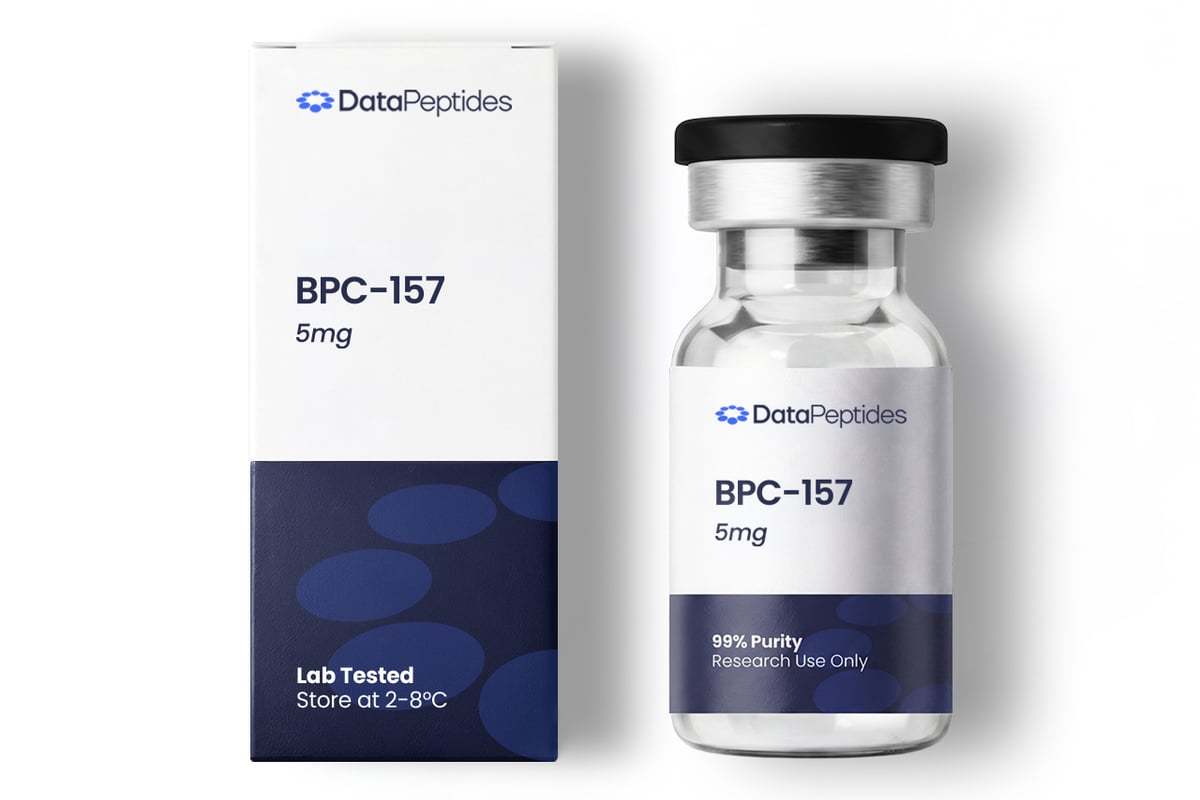
BPC-157, a pentadecapeptide derived from a protective gastric protein, has generated substantial research interest for its apparent effects on tissue healing across multiple organ systems. Laboratory studies have examined its influence on angiogenesis, fibroblast activity, and inflammatory modulation, making it relevant to research protocols investigating musculoskeletal repair, gastrointestinal healing, and vascular health.
Research laboratories investigating comprehensive tissue repair often examine BPC-157 alongside other regenerative compounds to understand how multiple peptides might work through complementary pathways. This compound's stability and broad range of studied effects make it a frequent baseline in tissue repair research protocols.
TB-500, a synthetic version of Thymosin Beta-4, represents another extensively studied regenerative peptide. Its primary mechanism involves upregulating actin, a cellular building block protein essential for cell structure and migration. This upregulation facilitates the movement of endothelial cells and keratinocytes to injury sites, supporting new blood vessel formation and tissue coverage during healing processes.
Metabolic and Body Composition Peptides
The metabolic category of performance peptides includes compounds that influence energy expenditure, substrate utilization, and body composition through various mechanisms. These peptides have become prominent research subjects as laboratories explore cellular metabolism and energy homeostasis.
GLP-1 (glucagon-like peptide-1) receptor agonists represent a well-established class that influences glucose metabolism, insulin secretion, and appetite regulation. More recent research has examined dual and triple agonist peptides that simultaneously activate multiple metabolic hormone receptors, potentially producing more pronounced effects on energy balance and substrate metabolism.
MOTS-c, a mitochondrial-derived peptide, has attracted research attention for its unique origin and metabolic effects. Unlike most peptides encoded by nuclear DNA, MOTS-c is encoded within mitochondrial DNA, giving it distinctive properties in cellular signaling. Research suggests it influences metabolic flexibility, exercise response, and cellular stress resistance through AMPK pathway activation.
Quality Standards and Sourcing Considerations for Research
Purity Testing and Analytical Standards
The quality of performance peptides used in research directly impacts experimental validity and reproducibility. Analytical standards for research-grade peptides have evolved significantly as the field has matured, with laboratories now expecting comprehensive purity documentation for all compounds.
High-performance liquid chromatography (HPLC) serves as the gold standard for peptide purity assessment, separating compounds based on their chemical properties and quantifying the percentage of the target peptide versus impurities. Research-grade peptides typically require purity levels exceeding 98%, with many laboratories preferring compounds testing at 99% or higher purity.
Mass spectrometry provides molecular weight confirmation, verifying that the synthesized peptide matches the intended sequence. This analytical technique identifies the exact mass-to-charge ratio of peptide molecules, detecting even single amino acid substitutions or modifications that might occur during synthesis.
Third-party batch testing adds an additional layer of quality assurance by having independent laboratories verify manufacturer claims. This practice has become increasingly standard in the research peptide industry, with reputable suppliers providing Certificates of Analysis (COA) for each production batch. Researchers can review available COA documentation to verify purity, concentration, and identity before incorporating compounds into research protocols.

Manufacturing and Storage Requirements
The synthesis, handling, and storage of performance peptides require careful attention to prevent degradation and maintain compound integrity. Peptides are inherently more fragile than small-molecule drugs, susceptible to hydrolysis, oxidation, and aggregation under improper conditions.
Manufacturing environments for research-grade peptides should maintain controlled temperature and humidity conditions, employ pharmaceutical-grade solvents and reagents, and utilize sterile filtration techniques. US-manufactured peptides benefit from domestic quality oversight and typically shorter shipping times, reducing exposure to temperature fluctuations during transit.
Storage best practices include:
- Maintaining lyophilized (freeze-dried) peptides at -20°C or colder
- Protecting vials from direct light exposure
- Minimizing freeze-thaw cycles after reconstitution
- Using appropriate reconstitution solutions (typically bacteriostatic water or sterile saline)
- Documenting storage duration and conditions for experimental records
Temperature excursions during shipping represent a significant risk factor for peptide degradation. Quality suppliers implement cold chain protocols, using insulated packaging with ice packs or dry ice for temperature-sensitive compounds. Researchers should inspect packaging upon receipt and verify that temperature indicators (if included) show acceptable conditions throughout transit.
Research Applications and Experimental Protocols
Athletic Performance and Exercise Science Research
Performance peptides have become central to exercise physiology research, with laboratories examining how these compounds influence muscle protein synthesis, recovery kinetics, and performance adaptations. Studies have investigated peptide effects on endurance metabolism and strength training responses, contributing valuable data to our understanding of exercise biochemistry.
Research protocols typically examine peptide administration in conjunction with standardized exercise interventions, allowing scientists to isolate peptide effects from training stimulus effects. Controlled studies measure biomarkers including muscle protein synthesis rates, inflammatory cytokine profiles, muscle damage markers (creatine kinase, myoglobin), and functional performance metrics.
The timing of peptide administration relative to exercise represents a key variable in research design. Some protocols examine pre-exercise administration to evaluate effects on acute performance capacity, while others focus on post-exercise timing to assess recovery enhancement. Multi-week studies investigate whether chronic peptide use influences training adaptations differently than placebo conditions.
Tissue Repair and Wound Healing Studies
Laboratory research into tissue repair mechanisms frequently incorporates performance peptides known for regenerative properties. These studies range from cellular culture experiments examining fibroblast proliferation to animal models investigating tendon healing, ligament repair, and wound closure rates.
Experimental designs often compare healing trajectories between peptide-treated subjects and controls, measuring outcomes such as:
- Collagen deposition and organization at injury sites
- Tensile strength of repaired tissues at various time points
- Angiogenesis density in healing regions
- Inflammatory cell infiltration patterns
- Gene expression profiles for repair-related proteins
Advanced imaging techniques, including ultrasound, MRI, and histological analysis, allow researchers to track healing progression non-invasively or examine tissue architecture at the microscopic level. These methodologies have revealed insights into how specific peptides influence different phases of tissue repair, from initial inflammation through remodeling.
Metabolic Research Applications
Metabolic research laboratories utilize performance peptides to investigate energy homeostasis, substrate oxidation, and metabolic disease mechanisms. These studies often employ sophisticated techniques including indirect calorimetry, glucose clamp procedures, and metabolomic analysis to characterize peptide effects on whole-body and cellular metabolism.
Research examining metabolic peptides frequently measures:
- Resting metabolic rate and energy expenditure during activity
- Respiratory exchange ratio (indicating fat versus carbohydrate oxidation)
- Insulin sensitivity and glucose disposal rates
- Lipid profiles and body composition changes
- Mitochondrial function markers and cellular respiration
| Research Focus | Common Peptides | Key Measurements |
|---|---|---|
| Glucose metabolism | GLP-1 agonists, metabolic blends | Insulin sensitivity, glucose tolerance |
| Fat oxidation | MOTS-c, triple agonists | RER, body composition, lipid profiles |
| Energy expenditure | Growth hormone secretagogues | Resting metabolic rate, activity energy |
| Mitochondrial function | MOTS-c, NAD+ precursors | Oxygen consumption, ATP production |
These research applications contribute to our fundamental understanding of metabolic regulation and may eventually inform therapeutic approaches to metabolic diseases, though current research remains in laboratory and preclinical phases.
Regulatory Landscape and Research Compliance
Understanding the regulatory framework surrounding performance peptides is essential for researchers working with these compounds. The legal and regulatory status of peptides varies significantly based on their intended use, FDA approval status, and classification under various drug control frameworks.
The FDA categorizes peptides differently depending on their approval status and marketing. FDA-approved therapeutic peptides fall under strict pharmaceutical regulations, requiring prescriptions and meeting rigorous manufacturing standards. Research peptides not approved for human use occupy a different regulatory space, intended exclusively for laboratory research applications.
The regulatory landscape for peptides continues to evolve as enforcement priorities shift and new compounds emerge. Researchers and institutions must ensure compliance with relevant regulations, including proper labeling of research compounds as "not for human consumption" and maintaining appropriate documentation of research protocols.
Institutional review boards (IRBs) and institutional animal care and use committees (IACUCs) oversee research protocols involving peptides in human or animal studies, respectively. These oversight bodies ensure that research follows ethical guidelines, minimizes risks, and maintains scientific integrity.
Sourcing Compliance and Vendor Selection
Selecting appropriate suppliers for research peptides involves evaluating multiple factors beyond just price and availability. Compliance-focused laboratories prioritize vendors who demonstrate commitment to quality, transparency, and regulatory adherence.
Critical vendor selection criteria include:
- Provision of third-party COAs for each batch
- Clear labeling indicating research-only use
- Domestic manufacturing with quality oversight
- Responsive customer support for technical questions
- Proper documentation and invoicing for institutional purchasing
Researchers should verify that suppliers explicitly state products are for research purposes only and not intended for human or animal consumption. This clear designation helps institutions maintain compliance with regulatory requirements and ethical research standards. The Data Peptides shop exemplifies this approach by clearly labeling all products as laboratory-grade research compounds.
Understanding how to safely source peptides protects research integrity and ensures that experimental results reflect actual peptide effects rather than contamination or degradation issues. Quality sourcing represents an investment in research validity that pays dividends through reproducible results and reliable data.
Safety Considerations in Peptide Research
While performance peptides are intended exclusively for laboratory research, understanding their safety profiles from existing literature informs experimental design and risk assessment. Researchers should familiarize themselves with available safety data when designing protocols and establishing handling procedures.
The safety profile of any peptide depends on numerous factors including its mechanism of action, dose, administration route, and duration of exposure. Peptide safety research encompasses both clinical data from approved therapeutic peptides and preclinical studies on research compounds, providing a foundation for risk assessment.
Common considerations in peptide safety research include:
- Immunogenicity potential: Some peptides may trigger immune responses, particularly with repeated administration
- Off-target receptor binding: Peptides may interact with unintended receptors, causing unexpected effects
- Dose-response relationships: Effects often scale non-linearly with dose, requiring careful titration
- Individual variability: Genetic factors and baseline physiology influence peptide responses
Research protocols should incorporate appropriate safety monitoring, including regular assessment of relevant biomarkers, observation for adverse effects, and establishment of stopping criteria for concerning findings. Documentation of any unexpected observations contributes to the broader knowledge base surrounding peptide safety profiles.
Quality Control and Contamination Prevention
Maintaining peptide integrity throughout the research process requires attention to contamination prevention and quality control measures. Degraded or contaminated peptides can produce misleading results, wasting research resources and potentially leading to incorrect conclusions.
Endotoxin contamination represents a particular concern for peptides derived from bacterial synthesis systems. Endotoxins, components of gram-negative bacterial cell walls, can trigger inflammatory responses even at very low concentrations. Quality peptide suppliers implement endotoxin testing, with research-grade compounds typically requiring levels below 1.0 EU/mg (endotoxin units per milligram).
Researchers should also implement laboratory practices that minimize contamination risks:
- Use dedicated peptide preparation areas separated from general laboratory spaces
- Employ aseptic technique when reconstituting lyophilized peptides
- Filter solutions through 0.22-micron sterile filters when appropriate
- Maintain detailed logs of reconstitution dates and storage conditions
- Discard reconstituted peptides that exceed recommended storage durations
Comprehensive peptide safety guidelines emphasize the importance of product quality as the foundation of safe research practices. Third-party testing, proper storage, and careful handling collectively ensure that research observations reflect actual peptide pharmacology rather than artifacts introduced by degradation or contamination.
Future Directions in Performance Peptide Research
The field of performance peptides continues to evolve rapidly, with novel compounds entering research pipelines and new applications being explored across diverse scientific disciplines. Several emerging trends are shaping the future landscape of peptide research.
Combination therapies represent a growing research focus, examining how multiple peptides with complementary mechanisms might produce synergistic effects. These studies investigate whether strategic combinations can achieve outcomes exceeding those of individual compounds, potentially at lower individual doses.
Peptide modifications aimed at improving stability, bioavailability, or receptor selectivity constitute another active research area. Chemical modifications such as PEGylation, cyclization, or D-amino acid substitution can alter peptide properties, creating compounds with enhanced characteristics for specific research applications.
Personalized approaches to peptide research are emerging as genetic and metabolic profiling technologies become more accessible. Future studies may examine how individual genetic variations in receptor expression or metabolic enzymes influence peptide responses, moving toward more nuanced understanding of inter-individual variability.
The integration of advanced analytical techniques, including proteomics, metabolomics, and next-generation sequencing, is enabling deeper mechanistic insights into peptide actions. These tools allow researchers to examine global changes in protein expression, metabolite profiles, and gene regulation following peptide administration, revealing previously unknown aspects of their biological effects.
Performance peptides represent a dynamic and expanding area of laboratory research, offering scientists tools to investigate complex biological processes related to growth, repair, metabolism, and cellular function. As analytical techniques advance and our understanding deepens, these compounds continue to reveal new insights into human physiology and cellular mechanisms. Researchers requiring high-purity, US-manufactured research peptides with comprehensive third-party testing can explore available compounds and review quality documentation at Data Peptides, ensuring their experimental protocols begin with verified, laboratory-grade materials appropriate for rigorous scientific investigation.