

The bpc 157 peptide has emerged as one of the most extensively studied synthetic peptides in regenerative medicine research. This fifteen-amino-acid sequence, derived from a protective protein found in gastric juices, has captured the attention of researchers worldwide due to its potential applications in tissue repair, inflammation modulation, and cellular regeneration studies. As laboratory research continues to expand our understanding of peptide-based therapeutic mechanisms, BPC 157 stands out for its unique structural properties and diverse biological interactions that make it a valuable tool for investigative studies.
Understanding BPC 157 Peptide Structure and Classification
BPC 157 peptide, formally known as Body Protection Compound 157, represents a stable gastric pentadecapeptide sequence. The compound consists of fifteen amino acids arranged in a specific configuration that provides exceptional stability compared to many naturally occurring peptides.
Molecular Composition and Stability
The molecular structure of this research peptide includes the sequence Gly-Glu-Pro-Pro-Pro-Gly-Lys-Pro-Ala-Asp-Asp-Ala-Gly-Leu-Val. This particular arrangement contributes to its resistance to degradation in gastric environments, making it suitable for various research applications. Unlike many peptides that rapidly break down when exposed to digestive enzymes, the bpc 157 peptide maintains structural integrity across different pH levels.
Key structural characteristics include:
- Molecular weight of approximately 1,419 Daltons
- High stability in both acidic and neutral environments
- Resistance to enzymatic degradation
- Water solubility for laboratory preparation
- Compatibility with various delivery methods in research settings
Research published in comprehensive peptide databases has catalogued BPC 157 alongside thousands of other peptide compounds, helping scientists understand its unique properties within the broader peptide landscape.

Synthetic vs. Natural Origins
While BPC 157 is derived from a naturally occurring protective protein in human gastric juice, the research compound itself is synthetically produced. This synthetic production ensures consistent quality, purity, and availability for laboratory applications. The peptide represents a fragment of a larger protective compound, isolated and stabilized for research purposes.
Mechanisms of Action in Laboratory Research
The bpc 157 peptide demonstrates multiple pathways of biological interaction that researchers investigate across various tissue types and cellular environments. Understanding these mechanisms helps scientists design more effective research protocols and interpret experimental outcomes.
Cellular Repair Pathways
Research indicates that BPC 157 interacts with several cellular repair mechanisms. The peptide appears to influence fibroblast activity, which plays a crucial role in wound healing and tissue regeneration processes. Studies have documented its effects on collagen synthesis, angiogenesis promotion, and extracellular matrix remodeling.
| Mechanism | Research Focus | Observed Effects |
|---|---|---|
| Angiogenesis | Blood vessel formation | VEGF pathway activation |
| Fibroblast Activity | Collagen production | Enhanced synthesis rates |
| Growth Factors | Cellular signaling | Upregulation of healing factors |
| Inflammation | Immune response | Modulation of inflammatory markers |
Growth Factor Regulation
The peptide's interaction with growth factor pathways represents a significant area of investigation. BPC 157 has been studied for its potential influence on vascular endothelial growth factor (VEGF), transforming growth factor-beta (TGF-β), and other signaling molecules critical to tissue repair. These interactions suggest complex regulatory mechanisms that researchers continue to explore in controlled laboratory settings.
According to detailed mechanism analyses, the peptide may influence nitric oxide pathways and FAK-paxillin signaling, contributing to improved cellular migration and tissue organization during repair processes.
Anti-Inflammatory Properties
Laboratory studies have examined the bpc 157 peptide's effects on inflammatory pathways. Research suggests the compound may modulate cytokine production, influence neutrophil activity, and affect oxidative stress markers. These properties make it particularly interesting for studies focused on inflammation-mediated tissue damage and repair dynamics.
Laboratory Research Applications
Scientists utilize BPC 157 across diverse research domains, each exploring different aspects of its biological activity and potential mechanisms.
Musculoskeletal Research
Extensive laboratory work has investigated the peptide's effects on muscle, tendon, and ligament tissues. Researchers study healing timelines, structural integrity restoration, and mechanical strength recovery in various tissue injury models.
Common research protocols include:
- Tendon injury repair studies
- Muscle tear regeneration experiments
- Ligament healing investigations
- Bone-to-tendon healing interface research
- Mechanical load tolerance testing
Studies examining musculoskeletal applications often incorporate the bpc 157 peptide into models designed to simulate sports injuries, overuse damage, and acute trauma scenarios. This research provides valuable data on tissue regeneration mechanisms and healing optimization strategies.

Gastrointestinal Research
Given its origin from gastric protective proteins, the bpc 157 peptide has been extensively studied in digestive system research. Scientists investigate its effects on mucosal healing, barrier function restoration, and inflammatory bowel condition models.
Research applications in this domain examine ulcer healing rates, intestinal permeability changes, and protection against various gastric insults. The peptide's stability in acidic environments makes it particularly suitable for gastrointestinal research protocols.
Vascular and Cardiovascular Studies
The peptide's influence on angiogenesis has made it valuable for vascular research. Laboratory studies explore blood vessel formation, endothelial function, and tissue perfusion in various experimental models. Cardiovascular research examines potential protective effects against ischemic damage and vascular injury.
Regulatory Status and Safety Considerations
Understanding the regulatory landscape surrounding BPC 157 is essential for researchers planning laboratory studies. The compound's legal status has evolved significantly in recent years.
FDA Position and Regulatory History
The Food and Drug Administration has not approved BPC 157 for human or animal therapeutic use. The regulatory history of BPC 157 details its journey through FDA review processes, including presentations to the Pharmacy Compounding Advisory Committee (PCAC).
As of 2026, the FDA maintains that BPC 157 lacks sufficient evidence for safety and efficacy in clinical applications. This regulatory stance emphasizes the compound's status as a research chemical intended exclusively for laboratory investigation.
Research-Grade Specifications
For laboratory applications, researchers should prioritize compounds that meet strict quality standards. Third-party batch testing for purity, proper storage conditions, and clear documentation of intended research use are critical considerations.
| Quality Parameter | Research Standard | Verification Method |
|---|---|---|
| Purity | ≥98% | HPLC analysis |
| Identity | Confirmed sequence | Mass spectrometry |
| Sterility | Non-pyrogenic | LAL testing |
| Storage | -20°C frozen | Temperature monitoring |
| Documentation | COA provided | Third-party certification |
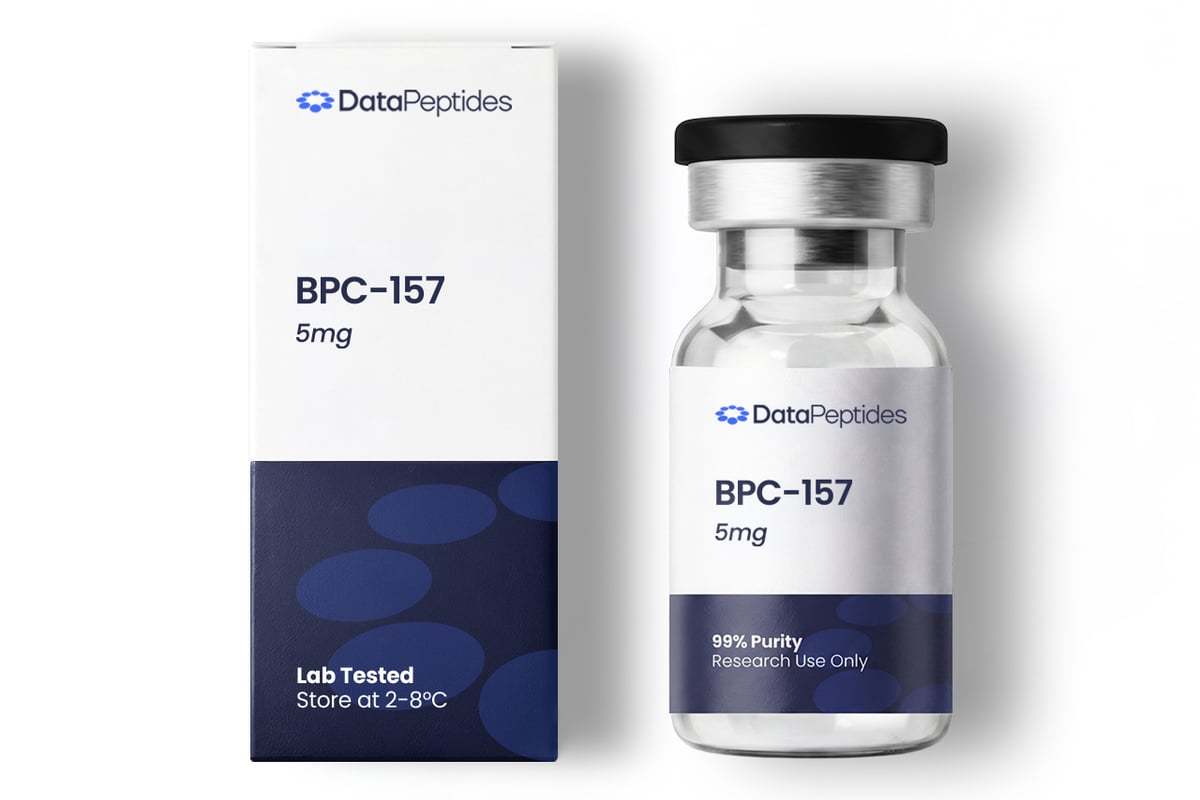
Reputable suppliers like Data Peptides ensure that research-grade BPC 157 meets rigorous quality standards through comprehensive third-party batch testing, providing researchers with reliable materials for their investigations.
Research Dosing Protocols and Administration
Laboratory research utilizing the bpc 157 peptide employs various dosing protocols depending on the experimental model and research objectives. Understanding these parameters helps scientists design effective studies and interpret results accurately.
Common Research Concentrations
Published studies have utilized a wide range of concentrations, typically measured in micrograms per kilogram in animal models. Dosing frequencies vary from once-daily to multiple daily administrations, depending on the specific research protocol.
Typical research parameters include:
- Concentration ranges from 10 mcg/kg to 1000 mcg/kg
- Administration frequencies from once daily to twice daily
- Study durations ranging from acute (single dose) to chronic (several weeks)
- Various delivery routes including subcutaneous, intraperitoneal, and oral
- Control groups using saline or vehicle solutions
The safety and dosing context of BPC 157 in research settings emphasizes the importance of well-designed protocols and appropriate controls.
Reconstitution and Storage
For laboratory use, lyophilized bpc 157 peptide requires reconstitution with bacteriostatic water or sterile saline. Researchers must maintain strict sterile technique during preparation to prevent contamination and ensure experimental integrity.
Reconstituted solutions typically maintain stability for limited periods under refrigeration. Long-term storage of unreconstituted peptide at -20°C or lower preserves molecular integrity and prevents degradation.
Current Research Landscape and Evidence Gaps
The scientific community continues to investigate BPC 157 through various research models, though significant questions remain about its mechanisms and potential applications.
Published Research Activity
According to peptide research tracking databases, BPC 157 has been the subject of numerous preclinical studies examining different aspects of tissue repair and regeneration. However, the research landscape reveals important gaps in human clinical data.
Most published studies utilize animal models, primarily rodent systems, which provide valuable mechanistic insights but have limitations in translating directly to human biology. The comprehensive overview of BPC 157 notes that while preclinical research shows promise, rigorous human clinical trials remain limited.
In Vitro vs. In Vivo Studies
Laboratory research encompasses both cell culture (in vitro) and whole organism (in vivo) studies. In vitro research allows precise control of variables and direct observation of cellular mechanisms, while in vivo studies provide more complex biological context.
| Study Type | Advantages | Limitations |
|---|---|---|
| In Vitro | Controlled environment, mechanistic clarity | Lacks systemic complexity |
| In Vivo | Whole organism response, multiple systems | Variable control, ethical considerations |
| Ex Vivo | Maintains tissue architecture | Limited duration, resource intensive |
Research examining the bpc 157 peptide has identified several promising mechanisms through in vitro work, but translating these findings to complex biological systems requires careful experimental design and interpretation.
Emerging Research Directions
Scientists continue to explore new applications and mechanisms of BPC 157 in laboratory settings, expanding our understanding of peptide-based regenerative processes.
Neurological Research
Recent studies have begun investigating the peptide's potential effects on neural tissue. Research protocols examine nerve injury models, neuroinflammation, and neurotransmitter systems. These emerging directions suggest broader applications beyond the musculoskeletal and gastrointestinal systems traditionally studied.
Combination Research Protocols
Researchers increasingly study the bpc 157 peptide in combination with other compounds to investigate synergistic effects. Common combinations include other regenerative peptides, growth factors, or pharmaceutical agents designed to modulate specific pathways.
Studies examining peptide combinations provide insights into complementary mechanisms and potential enhancement of tissue repair processes. This research helps identify optimal experimental protocols for specific tissue types or injury models.
Mechanistic Pathway Research
Advanced laboratory techniques allow researchers to investigate molecular pathways with greater precision. Studies utilizing proteomics, transcriptomics, and metabolomics approaches reveal complex signaling cascades influenced by BPC 157.
Current mechanistic research focuses on:
- Gene expression changes in target tissues
- Protein phosphorylation pathways
- Metabolic alterations during tissue repair
- Immune cell interactions and signaling
- Extracellular matrix remodeling processes
Quality Considerations for Research Applications
Researchers must carefully evaluate peptide sources to ensure experimental validity and reproducibility. Quality variations can significantly impact research outcomes and scientific conclusions.
Purity and Authentication
High-performance liquid chromatography (HPLC) and mass spectrometry provide essential verification of peptide identity and purity. Research-grade bpc 157 peptide should demonstrate purity levels of 98% or higher to minimize confounding variables in experimental protocols.
Third-party testing by independent laboratories adds credibility and ensures that researchers work with consistently characterized materials. Documentation including certificates of analysis (COA) should accompany each batch.
Contamination Prevention
Laboratory protocols must address potential contamination sources that could compromise research integrity. Proper handling, sterile reconstitution techniques, and appropriate storage conditions prevent bacterial growth and peptide degradation.
Researchers should implement standard operating procedures (SOPs) for peptide handling, including dedicated clean workspaces, sterile equipment, and proper disposal protocols.
Media Coverage and Public Interest
The bpc 157 peptide has received significant attention in popular media, though this coverage often lacks the nuance required for scientific understanding.
Influencer Promotion and Safety Concerns
Recent investigative reporting has highlighted concerning trends in peptide promotion by social media influencers and celebrities. These promotions often misrepresent the compound's regulatory status and fail to acknowledge the absence of clinical approval.
Articles examining anti-aging peptide trends on social media platforms reveal widespread misinformation about BPC 157 and similar compounds. This underscores the importance of distinguishing legitimate laboratory research from unauthorized human use.
Regulatory Enforcement Actions
The FDA has increased enforcement actions against companies marketing BPC 157 for human consumption. These regulatory measures emphasize that the compound remains restricted to research applications only. The current regulatory status as of 2026 reflects ongoing FDA scrutiny of peptide marketing practices.
Researchers should be aware that legitimate scientific investigation operates within entirely different parameters than the unauthorized human use promoted through some commercial channels.
Experimental Design Considerations
Designing robust research protocols with the bpc 157 peptide requires careful attention to multiple variables that can influence outcomes.
Control Groups and Baseline Measurements
Effective research design includes appropriate control groups receiving vehicle or placebo treatments. Baseline measurements before peptide administration provide essential reference points for evaluating changes over time.
Key experimental design elements:
- Randomization of treatment groups
- Blinding procedures where applicable
- Adequate sample sizes for statistical power
- Multiple time point measurements
- Consistent environmental conditions
Outcome Measurement Methods
Researchers employ various techniques to assess BPC 157 effects depending on the tissue system and research question. Histological analysis, mechanical testing, biochemical assays, and imaging modalities each provide different insights into tissue responses.
Combining multiple measurement approaches strengthens research conclusions by providing convergent evidence from different analytical perspectives.
Future Research Priorities
The scientific community continues to identify important questions requiring systematic investigation to advance understanding of bpc 157 peptide mechanisms and applications.
Mechanistic Clarity
Despite extensive preclinical research, specific molecular targets and signaling pathways require further elucidation. Advanced research techniques including CRISPR-based approaches, receptor binding studies, and pathway-specific inhibitors could provide deeper mechanistic insights.
Dose-Response Relationships
Systematic investigation of dose-response relationships across different tissue types and injury models would help establish optimal experimental parameters. Research comparing various concentrations, frequencies, and administration routes could refine laboratory protocols.
Long-Term Effects
Most published studies examine relatively short timeframes. Extended duration research protocols investigating long-term tissue responses, potential adaptive changes, and durability of observed effects would provide valuable data for comprehensive understanding.
For researchers interested in exploring various peptide compounds in their laboratory work, the Data Peptides blog offers additional resources and information on research-grade peptide applications.
The bpc 157 peptide represents a valuable tool for laboratory investigation into tissue repair mechanisms, inflammation modulation, and cellular regeneration pathways. As research continues to expand our understanding of peptide-based biological processes, maintaining rigorous scientific standards and regulatory compliance remains essential. Data Peptides supplies laboratory-grade, US-manufactured research peptides with third-party batch testing for purity, ensuring researchers have access to high-quality materials for their investigative work. All products are intended solely for laboratory research applications.