

Research into peptide therapeutics has expanded significantly over recent years, with synthetic fragments of naturally occurring hormones gaining particular attention in laboratory settings. Among these, frag 176 191 represents a specific amino acid sequence derived from human growth hormone that has demonstrated unique properties in preclinical studies. This modified peptide fragment consists of the 16-amino acid chain spanning positions 176 through 191 of the original 191-amino acid growth hormone molecule, offering researchers a targeted tool for investigating metabolic pathways without the broader systemic effects associated with full-length growth hormone administration.
Molecular Structure and Origin
Frag 176 191 emerged from decades of research into growth hormone's diverse biological activities. Scientists discovered that the complete growth hormone molecule produces multiple effects throughout the body, including both metabolic and growth-promoting actions. By isolating specific regions of this hormone, researchers identified that the C-terminal fragment retained certain functional properties while eliminating others.
The peptide sequence comprises amino acids 176 through 191, representing the final segment of the human growth hormone chain. This specific region contains the structural elements responsible for lipolytic activity-the breakdown of stored fat-without triggering the growth-promoting or insulin-antagonistic effects seen with intact growth hormone.
Structural Modifications
To enhance stability and bioavailability, the synthetic version of frag 176 191 incorporates specific modifications. The tyrosine residue at position 176 undergoes modification, which helps protect the peptide from rapid enzymatic degradation. These structural adjustments extend the peptide's functional half-life in biological systems, making it more suitable for controlled research applications.
The molecular weight of this fragment is approximately 1,815 Daltons, significantly smaller than the 22,000 Dalton parent hormone. This reduced size offers advantages in terms of synthesis complexity and potential tissue penetration in experimental models.

Mechanisms of Action
Understanding how frag 176 191 functions at the cellular level provides critical context for research applications. Unlike full-length growth hormone, which binds to growth hormone receptors throughout the body, this fragment operates through distinct pathways that researchers continue to investigate.
Lipolytic Pathways
Research indicates that frag 176 191 promotes lipolysis through beta-3 adrenergic receptor pathways in adipose tissue. This mechanism differs from growth hormone's broader metabolic effects, offering a more targeted approach to studying fat metabolism. The peptide appears to stimulate hormone-sensitive lipase activity, the enzyme responsible for breaking down triglycerides into free fatty acids and glycerol.
Studies have shown that this fragment can initiate lipolysis without significantly affecting glucose metabolism or insulin sensitivity, distinguishing it from the parent hormone's diabetogenic properties. This selective action makes it valuable for isolating specific metabolic variables in research protocols.
Receptor Interactions
The precise receptor binding characteristics of frag 176 191 remain an active area of investigation. While it does not bind to traditional growth hormone receptors with the same affinity as the full molecule, evidence suggests interaction with alternative binding sites on adipocyte membranes. These interactions appear to trigger intracellular signaling cascades that ultimately activate lipolytic enzymes.
Detailed molecular profiling studies have documented these binding characteristics, providing researchers with quantitative data on receptor affinity and downstream signaling events.
Research Applications and Study Designs
Laboratory investigations involving frag 176 191 span multiple disciplines, from basic metabolic research to pharmaceutical development. The peptide's selective properties make it particularly useful for studies requiring isolated lipolytic effects without confounding growth or insulin-related variables.
Metabolic Research Protocols
In controlled laboratory settings, frag 176 191 enables researchers to examine fat metabolism pathways with greater precision. Typical study designs incorporate the peptide into protocols investigating:
- Energy expenditure and substrate utilization patterns
- Adipocyte biology and fat cell differentiation
- Hormonal regulation of lipid storage and mobilization
- Comparative studies between peptide fragments and full hormones
- Dose-response relationships in lipolytic activation
These applications require careful experimental design to account for variables such as peptide stability, delivery methods, and timing relative to metabolic measurements.
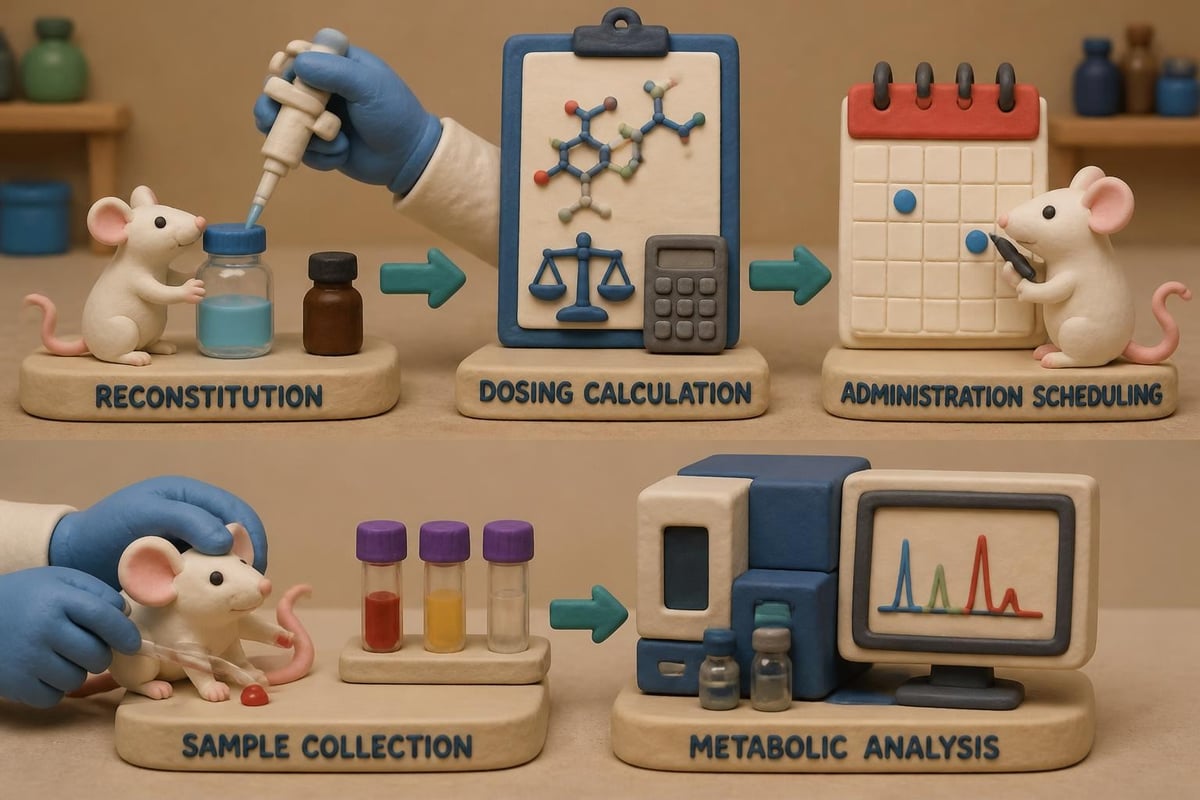
Dosing Considerations in Research
Published research protocols demonstrate considerable variation in dosing strategies, reflecting the peptide's use across different model systems and research objectives. Community research findings document typical ranges used in various experimental contexts, though optimal parameters remain dependent on specific research aims.
| Research Context | Typical Dose Range | Administration Frequency | Duration |
|---|---|---|---|
| Acute metabolic studies | 250-500 mcg | Single dose | Hours |
| Short-term protocols | 250-500 mcg | Once or twice daily | Days to weeks |
| Extended observation | 250-1000 mcg | Daily or divided | Weeks to months |
| Comparative studies | Variable | Protocol-dependent | Study-specific |
Researchers must establish dosing parameters based on their specific hypotheses, model system characteristics, and measurement endpoints. Pilot studies often prove necessary to optimize these variables before full-scale experiments.
Pharmacokinetics and Stability
Understanding the pharmacokinetic profile of frag 176 191 is essential for designing effective research protocols. The peptide's behavior in biological systems influences both experimental timing and data interpretation.
Half-Life and Clearance
The biological half-life of frag 176 191 in experimental models ranges from approximately 30 minutes to several hours, depending on the route of administration and species studied. This relatively short half-life necessitates frequent dosing in sustained-release studies or the use of continuous infusion protocols for maintaining steady-state concentrations.
Clearance occurs primarily through renal filtration and enzymatic degradation. The small molecular size allows rapid glomerular filtration, while peptidases in blood and tissues cleave the amino acid chain. These clearance mechanisms must be considered when timing sample collection relative to administration.
Storage and Reconstitution
Proper handling procedures are critical for maintaining peptide integrity throughout research studies. Lyophilized frag 176 191 demonstrates optimal stability when stored at temperatures below -20°C, protected from light and moisture. Under these conditions, the peptide maintains structural integrity for extended periods.
Reconstitution typically employs bacteriostatic water or sterile saline, with gentle mixing to avoid protein denaturation. Once reconstituted, solutions should be stored refrigerated and used within timeframes established through stability testing, generally days to weeks depending on storage conditions.
Comparative Analysis with Related Peptides
Frag 176 191 exists within a broader family of peptide therapeutics, each with distinct characteristics that inform research applications. Understanding these relationships helps researchers select the most appropriate tools for specific investigations.
Growth Hormone Comparisons
The most fundamental comparison involves frag 176 191 versus full-length human growth hormone. While growth hormone produces comprehensive metabolic, anabolic, and growth-promoting effects through widespread receptor activation, the fragment demonstrates selective lipolytic action without triggering growth or significantly affecting carbohydrate metabolism.
This selectivity represents both an advantage and a limitation. Researchers gain precision in isolating metabolic variables but lose the integrated physiological responses that full hormone administration produces. Comparative analyses highlight these functional differences across multiple experimental contexts.
AOD-9604 Relationship
AOD-9604 represents a modified version of frag 176 191 with additional amino acid changes designed to enhance stability and potency. Both peptides share the core 176-191 sequence but differ in specific structural modifications. Research protocols sometimes employ both compounds in parallel to assess how these modifications influence biological activity and experimental outcomes.
Other Metabolic Peptides
The peptide research landscape includes numerous compounds targeting metabolic pathways. For instance, peptides like Melanotan-2 activate melanocortin receptors involved in appetite regulation and other metabolic functions, offering complementary research tools for laboratories investigating complex metabolic networks. Understanding the distinct mechanisms of various peptides enables researchers to design comprehensive experimental approaches that address multiple aspects of metabolic regulation.
Safety Considerations in Laboratory Settings
Research involving frag 176 191 requires adherence to established laboratory safety protocols and regulatory guidelines. These considerations protect both research personnel and the integrity of experimental data.
Handling Protocols
Standard biosafety practices apply when working with peptide compounds. Researchers should utilize appropriate personal protective equipment, including gloves and laboratory coats, when handling both lyophilized and reconstituted materials. Dedicated preparation areas minimize contamination risks and ensure consistent experimental conditions.
Disposal procedures must follow institutional guidelines for biological waste. Unused reconstituted solutions and contaminated materials require proper containment and processing according to local regulations governing research materials.
Reported Observations in Research Models
Published literature documents various observations in experimental models administered frag 176 191. Research summaries compiled from multiple studies note that the peptide generally demonstrates favorable tolerability profiles in controlled settings, with most reported effects relating directly to its primary lipolytic mechanisms.
Common research observations include:
- Alterations in serum free fatty acid concentrations
- Changes in body composition measurements over extended protocols
- Minimal effects on glucose homeostasis or insulin sensitivity
- Absence of growth-promoting effects seen with full growth hormone
- Variations in individual response based on model characteristics
Researchers should maintain detailed observation logs to capture both expected and unexpected findings that may inform protocol refinements or hypothesis generation.
Analytical Methods and Measurement
Accurate assessment of frag 176 191's effects requires appropriate analytical techniques tailored to research objectives. Method selection influences both data quality and experimental conclusions.
Metabolic Endpoints
Studies investigating lipolytic effects typically measure multiple endpoints to comprehensively characterize the peptide's impact:
- Serum free fatty acids: Direct indicator of lipolytic activity, measured through enzymatic assays or gas chromatography
- Glycerol release: Secondary lipolysis marker, often assessed in both serum and culture media
- Body composition: Evaluated through techniques ranging from DEXA scanning to MRI in whole-organism studies
- Energy expenditure: Measured via indirect calorimetry to assess metabolic rate changes
- Gene expression: qPCR analysis of lipase and related enzymes in target tissues
Peptide Quantification
Researchers may need to measure frag 176 191 concentrations in biological samples to establish pharmacokinetic profiles or verify dosing accuracy. Techniques include:
- ELISA: Enzyme-linked immunosorbent assays specific to the peptide sequence
- Mass spectrometry: LC-MS/MS methods offering high sensitivity and specificity
- HPLC: High-performance liquid chromatography for purity verification and concentration determination
Method validation ensures reliability across experimental batches and enables data comparison between studies.
Quality Considerations for Research Materials
The purity and authenticity of peptide materials directly impact research reproducibility and data validity. Establishing quality standards for research-grade frag 176 191 represents a critical aspect of experimental design.
Purity Standards
High-quality research peptides typically demonstrate purity levels exceeding 95% as determined by HPLC analysis. This threshold ensures that observed effects result from the intended compound rather than contaminants or degradation products. Third-party testing protocols verify peptide identity through mass spectrometry and assess purity through multiple analytical methods, providing researchers with documented quality assurance.
Certificate of Analysis Documentation
Reputable suppliers provide detailed certificates of analysis accompanying each peptide batch. These documents should include:
| Analysis Type | Information Provided | Acceptance Criteria |
|---|---|---|
| HPLC purity | Percentage purity | ≥95% |
| Mass spectrometry | Molecular weight confirmation | Within 0.1% of theoretical |
| Appearance | Visual characteristics | White to off-white powder |
| Peptide content | Actual peptide quantity | ≥95% of stated amount |
| Bacterial endotoxins | LAL test results | <5 EU/mg |
| Moisture content | Karl Fischer analysis | <5% |
Maintaining these quality standards throughout the supply chain ensures consistent experimental conditions and supports research reproducibility.
Regulatory and Compliance Framework
Research involving frag 176 191 operates within established regulatory frameworks governing peptide research materials. Understanding these requirements ensures compliant and ethical research practices.
Research-Only Status
Frag 176 191 is classified as a research chemical intended exclusively for laboratory investigations. It is not approved for human consumption, veterinary use, or therapeutic applications. This designation carries important implications for procurement, handling, and documentation practices.
Researchers must maintain clear documentation establishing that peptide materials are used solely for in vitro studies, animal research models, or other approved laboratory applications. Institutional review boards and animal care committees provide oversight ensuring research protocols meet ethical standards and regulatory requirements.
Documentation Requirements
Comprehensive record-keeping supports both research integrity and regulatory compliance. Essential documentation includes:
- Purchase records linking materials to approved research protocols
- Storage logs tracking environmental conditions and material inventory
- Usage records detailing quantities, dates, and specific experimental applications
- Disposal documentation confirming proper waste handling
- Training records demonstrating personnel competency in peptide handling
These practices create an audit trail supporting research validity and demonstrating adherence to institutional and regulatory standards.
Emerging Research Directions
The scientific understanding of frag 176 191 continues to evolve as researchers explore novel applications and investigate unanswered mechanistic questions. Several research frontiers show particular promise for advancing peptide science.
Combination Studies
Investigating frag 176 191 alongside other peptides or compounds reveals potential synergistic effects and interaction mechanisms. Researchers are exploring combinations with metabolic modulators, exercise mimetics, and other peptide fragments to understand integrated physiological responses. These studies require careful experimental design to distinguish individual effects from combinatorial outcomes.
Modified Variants
Chemical modifications to the basic frag 176 191 structure may yield peptides with enhanced stability, altered potency, or modified selectivity. Current research guides document ongoing efforts to develop next-generation variants through strategic amino acid substitutions, PEGylation, or other structural modifications.
Mechanistic Investigations
Despite extensive research, questions remain regarding the precise molecular mechanisms underlying frag 176 191's effects. Advanced techniques including:
- Single-cell transcriptomics to map cellular responses
- Proteomics to identify binding partners and signaling intermediates
- Metabolomics to characterize comprehensive metabolic shifts
- Live-cell imaging to visualize real-time lipolytic processes
These approaches promise deeper insights into how this peptide fragment initiates and propagates its biological effects.
Experimental Design Considerations
Successful research protocols incorporating frag 176 191 require careful attention to experimental variables that influence outcomes and data interpretation. Systematic planning enhances reproducibility and scientific rigor.
Model System Selection
Choice of experimental model profoundly impacts research findings. Options include:
In vitro systems: Isolated adipocytes, cell culture models, and tissue explants offer controlled environments for mechanistic studies but lack systemic complexity.
In vivo models: Whole-organism studies capture integrated physiological responses but introduce variables that complicate interpretation.
Ex vivo preparations: Perfused organs or tissue slices provide intermediate complexity, maintaining tissue architecture while enabling experimental control.
Each approach presents distinct advantages and limitations that researchers must weigh against specific research objectives.
Control Groups and Variables
Rigorous experimental design incorporates appropriate controls to isolate peptide-specific effects:
- Vehicle-only controls account for administration effects
- Positive controls using established compounds validate system responsiveness
- Negative controls verify baseline conditions
- Time-course studies establish temporal dynamics
- Dose-response experiments characterize concentration-dependent effects
Statistical power analysis determines sample sizes necessary for detecting meaningful effects while minimizing resource use and, in animal studies, adhering to ethical principles of reduction.
Data Interpretation and Reporting
Translating raw experimental data into meaningful scientific insights requires careful analysis and transparent reporting practices. These principles support research integrity and enable others to build upon published findings.
Statistical Analysis Approaches
Appropriate statistical methods depend on experimental design and data characteristics. Common approaches for frag 176 191 research include:
- Repeated measures ANOVA: For time-course studies with multiple measurements
- Two-way ANOVA: When examining effects of both peptide treatment and another variable
- Non-parametric tests: When data violate parametric assumptions
- Correlation analysis: To assess relationships between variables
- Regression modeling: For dose-response characterization
Transparent reporting of statistical methods, including corrections for multiple comparisons and handling of outliers, enables proper evaluation of research conclusions.
Publication Standards
The scientific community has established reporting standards that enhance reproducibility and research quality. Detailed peptide profiles exemplify comprehensive documentation practices that researchers should emulate when publishing findings.
Key elements include:
- Complete peptide characterization data
- Detailed dosing protocols and administration routes
- Timing of measurements relative to administration
- Statistical analysis methods and software versions
- Raw data availability or summary statistics
- Limitations and potential confounding factors
These practices support the cumulative nature of scientific knowledge and enable meta-analyses that synthesize findings across multiple studies.
Frag 176 191 represents a valuable research tool for investigating selective metabolic pathways, particularly lipolytic mechanisms independent of broader growth hormone effects. Understanding its molecular characteristics, mechanisms of action, and appropriate experimental applications enables researchers to design rigorous protocols that advance peptide science. When you're ready to incorporate high-quality, laboratory-grade peptides into your research protocols, Data Peptides provides US-manufactured materials with comprehensive third-party testing documentation to support your scientific investigations.