

The scientific community continues to advance its understanding of peptides and their remarkable role in cellular communication, tissue repair, and metabolic regulation. Healthy peptides represent a class of bioactive compounds that have garnered significant attention for their potential to support various physiological processes. As short chains of amino acids, these molecules serve as critical signaling agents within biological systems, influencing everything from growth factor production to inflammatory responses. Understanding the mechanisms, applications, and quality considerations surrounding these compounds has become increasingly important for researchers examining cellular function and regenerative processes.
Understanding the Molecular Structure of Healthy Peptides
Peptides are composed of amino acid chains linked by peptide bonds, typically containing between 2 and 50 amino acids. This molecular structure distinguishes them from proteins, which contain longer chains. The specific sequence of amino acids determines each peptide's unique biological activity and target receptors.

When researchers examine healthy peptides, they focus on several key characteristics:
- Chain length: Determines stability and bioavailability
- Amino acid sequence: Dictates biological function and receptor specificity
- Three-dimensional structure: Influences how the peptide interacts with target cells
- Stability profile: Affects storage requirements and experimental protocols
The biological activity of healthy peptides stems from their ability to bind to specific receptors on cell surfaces. According to research published by the National Institutes of Health, peptides play crucial roles in metabolic, musculoskeletal, and behavioral health through their diverse bioactivities. This receptor specificity allows peptides to trigger precise cellular responses without affecting unrelated pathways.
Classification Systems for Research Peptides
Researchers categorize healthy peptides based on their primary mechanisms of action. Growth hormone secretagogues stimulate the pituitary gland to release growth hormone naturally. Recovery-focused peptides support tissue repair and cellular regeneration pathways. Metabolic peptides influence glucose regulation, fat metabolism, and energy utilization.
| Peptide Category | Primary Mechanism | Research Applications |
|---|---|---|
| Growth Hormone Modulators | Receptor agonism | Cellular growth patterns |
| Tissue Repair Compounds | Growth factor stimulation | Regenerative processes |
| Metabolic Regulators | Hormone receptor activation | Energy metabolism studies |
| Antimicrobial Peptides | Membrane disruption | Immune response research |
This classification framework helps researchers select appropriate compounds for specific experimental protocols and ensures proper handling procedures.
Quality Standards and Purity Testing Protocols
The research value of healthy peptides depends entirely on their purity and structural integrity. Third-party testing has emerged as the gold standard for verifying peptide quality, providing independent verification of composition and concentration.
Manufacturing standards for research-grade peptides require controlled synthesis environments. US-based facilities must adhere to strict quality control measures throughout the production process. Each batch undergoes multiple analytical procedures to confirm molecular weight, sequence accuracy, and purity levels.
High-performance liquid chromatography (HLPC) serves as a primary analytical method for assessing peptide purity. This technique separates compounds based on their chemical properties, allowing precise quantification of the target peptide versus potential contaminants or degradation products. Mass spectrometry complements HPLC by confirming the exact molecular weight and identifying any structural variants.
Critical Quality Indicators
Research teams should evaluate several quality markers when selecting peptide sources:
- Certificate of Analysis (COA) documentation from independent laboratories
- Purity percentage verified through multiple analytical methods
- Manufacturing location and facility certifications
- Storage conditions maintained throughout distribution
- Expiration dating based on stability testing
Researchers at Data Peptides can access comprehensive COA documentation for batch verification, ensuring experimental consistency and reproducibility.
Mechanisms Supporting Cellular Health and Recovery
Healthy peptides influence cellular function through multiple pathways. Some compounds activate growth factor production, stimulating cells involved in tissue repair and regeneration. Others modulate inflammatory signaling cascades, helping to regulate the body's response to cellular stress.
The synergistic effects of peptide combinations have gained research attention. When specific peptides are paired together, they may work through complementary mechanisms to amplify cellular responses. This approach mirrors natural physiological processes where multiple signaling molecules coordinate complex biological functions.
BPC-157 represents a widely studied pentadecapeptide that has demonstrated effects on tissue repair mechanisms. Research indicates it may influence angiogenesis, the formation of new blood vessels that deliver nutrients to healing tissues. Examining peptides for tissue repair has revealed multiple cellular pathways that respond to these signaling molecules.

TB-500, derived from thymosin beta-4, supports cellular migration and differentiation processes. Studies have explored its role in promoting hair growth through follicle stimulation, demonstrating the diverse applications of peptide research.
Growth Hormone Pathway Activation
Several healthy peptides function as growth hormone secretagogues, triggering the pituitary gland to release endogenous growth hormone. This indirect mechanism maintains natural feedback loops while potentially elevating growth hormone levels during specific time windows.
CJC-1295 (without DAC) and Ipamorelin represent two compounds frequently studied in combination. CJC-1295 acts as a growth hormone-releasing hormone (GHRH) analog, while Ipamorelin functions as a ghrelin mimetic. Their complementary mechanisms create a dual-pathway approach to growth hormone modulation.
The research community values these compounds for their selective receptor activity. Unlike earlier generation peptides, modern growth hormone secretagogues demonstrate minimal effects on cortisol or prolactin levels, allowing researchers to isolate growth hormone-related responses.
Metabolic Regulation and Energy Homeostasis
Recent peptide research has focused extensively on metabolic health applications. Healthy peptides that activate incretin receptors influence glucose metabolism, insulin sensitivity, and satiety signaling. These compounds have transformed understanding of how peptide-based interventions might support metabolic balance.
GLP-1 (glucagon-like peptide-1) receptor agonists slow gastric emptying and promote insulin secretion in response to glucose intake. This mechanism helps maintain stable blood glucose levels while reducing appetite through central nervous system pathways. As explained by WebMD’s peptide overview, these compounds demonstrate how peptide structure determines biological function.
Dual and triple agonist peptides represent the next generation of metabolic research compounds. By simultaneously activating multiple receptor types, these molecules engage broader regulatory pathways than single-target compounds.
Mitochondrial Function and Cellular Energy
MOTS-c exemplifies a mitochondria-derived peptide that influences cellular metabolism. This compound interacts with metabolic pathways in skeletal muscle, potentially affecting glucose uptake and fatty acid oxidation. Research suggests MOTS-c may help cells adapt to metabolic stress through gene expression changes.
NAD+ precursors and related peptides support cellular energy production through mitochondrial pathways. Nicotinamide adenine dinucleotide plays essential roles in electron transport and ATP generation. Understanding how NAD+ supplementation affects cellular energetics has become a significant research focus.
| Metabolic Peptide Type | Target Pathway | Observed Effects in Research |
|---|---|---|
| GLP-1 Agonists | Incretin receptors | Glucose regulation, satiety |
| Dual Agonists | GLP-1 and GIP | Enhanced metabolic response |
| Triple Agonists | GLP-1, GIP, GCGR | Comprehensive metabolic modulation |
| Mitochondrial Peptides | Cellular respiration | Energy production support |
Application Considerations for Laboratory Research
Proper handling and reconstitution procedures ensure healthy peptides maintain their structural integrity. Most research peptides arrive in lyophilized (freeze-dried) form, requiring reconstitution with bacteriostatic water before use. This process demands careful attention to sterile technique and appropriate dilution calculations.
Storage conditions significantly impact peptide stability. Lyophilized peptides typically remain stable at refrigerated temperatures for extended periods. Once reconstituted, most peptides require refrigeration and should be used within specific timeframes to prevent degradation.
Research protocols must account for peptide-specific characteristics:
- Molecular weight affects dosing calculations
- Receptor affinity determines effective concentration ranges
- Half-life influences administration timing
- Stability profile dictates storage and handling requirements
According to fitness experts at the American Council on Exercise, understanding peptide pharmacokinetics remains crucial for any research application.
Experimental Design and Control Measures
Rigorous research protocols require appropriate controls and standardization. Variables that researchers must control include peptide purity, storage conditions, reconstitution procedures, and administration timing. Documentation of these parameters ensures reproducibility across experimental trials.
Batch-to-batch consistency represents another critical consideration. Third-party testing verifies that different production batches maintain comparable purity and concentration levels. This consistency allows researchers to compare results across multiple experiments without confounding variables from peptide quality variations.
Specialized Peptide Formulations for Targeted Research
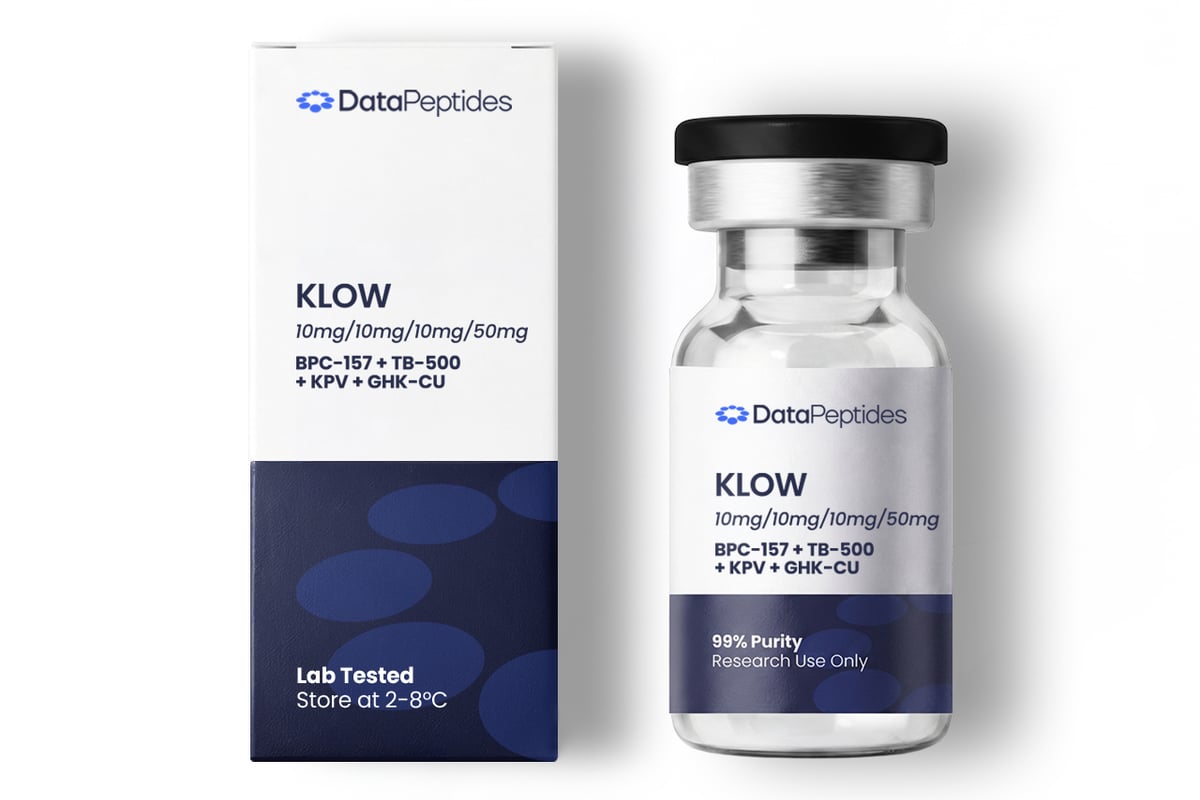
Combination formulas have emerged as valuable research tools for examining synergistic effects. These blends contain multiple peptides selected for complementary mechanisms of action. The KLOW Blend combines BPC-157, TB-500, KPV, and GHK-Cu to comprehensively address tissue regeneration, inflammation modulation, and recovery support. This formulation allows researchers to study how coordinated peptide signaling affects multiple repair pathways simultaneously.
Single-peptide formulations remain essential for isolating specific biological responses. These preparations allow researchers to attribute observed effects to particular molecular mechanisms without confounding variables from multiple active compounds.

Copper-binding peptides like GHK-Cu demonstrate unique properties related to tissue remodeling and collagen synthesis. The copper complex facilitates specific enzymatic reactions involved in extracellular matrix formation. Research into these compounds has expanded understanding of mineral-peptide interactions in biological systems.
Neuropeptides and Cognitive Function
Certain healthy peptides cross the blood-brain barrier, influencing neurological processes. Semax and Selank represent synthetic peptides derived from adrenocorticotropic hormone (ACTH) fragments. Research has examined their effects on neurotransmitter systems, stress responses, and cognitive performance markers.
These compounds demonstrate how peptide modifications affect bioavailability and target tissue specificity. Strategic amino acid substitutions enhance stability and receptor selectivity compared to native peptide sequences.
Safety Considerations and Research Ethics
Laboratory research with healthy peptides requires adherence to strict safety protocols. These compounds are manufactured exclusively for research purposes and are not intended for human or animal consumption. Proper labeling, storage, and disposal procedures protect research personnel and maintain experimental integrity.
Regulatory frameworks govern peptide research across different jurisdictions. The distinction between FDA-approved therapeutic peptides and research-grade compounds remains critically important. As outlined by Peptidepedia’s comprehensive guide, understanding regulatory status prevents confusion about intended applications.
Research institutions establish internal review processes to evaluate peptide studies. These protocols assess experimental design, safety measures, and ethical considerations before approving research projects. Documentation of peptide sources, purity verification, and handling procedures forms part of this review process.
Quality Assurance in Research Settings
Implementing quality assurance measures protects research validity. Standard operating procedures should address:
- Peptide verification upon receipt
- Proper storage condition maintenance
- Sterile reconstitution techniques
- Accurate dosing calculations
- Appropriate disposal of expired materials
Research teams benefit from establishing relationships with suppliers who prioritize transparency and quality documentation. Access to comprehensive product information facilitates informed decision-making about peptide selection.
Emerging Research Directions and Future Applications
The healthy peptides field continues expanding as researchers identify new compounds and mechanisms. Antimicrobial peptides represent one promising area, with studies examining their effects on bacterial membranes and immune system modulation. These naturally occurring defense molecules offer insights into novel approaches for infectious disease research.
Peptide-drug conjugates combine peptide targeting capabilities with therapeutic payloads. This approach uses peptides as delivery vehicles, directing treatments to specific cell types or tissues. Research in this area may revolutionize how scientists study cellular uptake and intracellular delivery mechanisms.
As discussed in IDEA Health & Fitness Association’s analysis, peptide research has expanded beyond traditional laboratory settings into diverse application areas. This growth reflects increasing recognition of peptides' versatile biological activities.
Advanced analytical techniques continue improving peptide characterization. Mass spectrometry methods now detect minute structural variations and post-translational modifications. These technological advances enable more precise understanding of peptide behavior in biological systems.
Personalized Research Approaches
The concept of peptide responsiveness variation has gained attention. Individual biological differences may influence how cells and tissues respond to peptide signaling. Research protocols increasingly account for these variations through robust experimental designs and adequate sample sizes.
Biomarker identification helps researchers predict and measure peptide effects more accurately. Specific proteins, gene expression patterns, or metabolic markers may indicate cellular responses to peptide exposure. This approach enhances the precision of research outcomes and strengthens mechanistic understanding.
Integration with Broader Research Frameworks
Healthy peptides rarely function in isolation within biological systems. Understanding their interactions with endocrine, immune, and metabolic pathways provides context for research findings. Systems biology approaches examine how peptide interventions affect interconnected physiological networks.
Researchers exploring metabolic pathways and fat metabolism recognize that peptides influence multiple regulatory systems simultaneously. This complexity requires comprehensive experimental designs that measure diverse outcome markers.
Sleep research has also incorporated peptide studies, examining how certain compounds influence circadian rhythms and sleep architecture. Investigations into peptides affecting sleep quality demonstrate the breadth of physiological processes influenced by these molecules.
The relationship between peptide research and nutritional science continues developing. Bioactive peptides from dietary sources exhibit biological activities distinct from their parent proteins. This intersection of nutrition and peptide science opens new research avenues into food-derived bioactive compounds.
Cross-Disciplinary Research Opportunities
Collaboration between different scientific disciplines enhances peptide research. Molecular biologists, biochemists, physiologists, and pharmacologists contribute unique perspectives to understanding peptide mechanisms. These collaborative frameworks accelerate discovery and strengthen experimental rigor.
Advanced imaging techniques allow real-time visualization of peptide-receptor interactions and downstream signaling cascades. Fluorescently labeled peptides and receptor imaging reveal spatial and temporal dynamics of peptide activity at the cellular level. Such methodologies bridge molecular mechanisms with functional outcomes.
Healthy peptides represent powerful research tools for examining cellular communication, tissue repair, metabolic regulation, and numerous other physiological processes. The quality, purity, and proper handling of these compounds directly impact research validity and reproducibility. As the scientific community continues uncovering new peptide mechanisms and applications, maintaining rigorous standards becomes increasingly important. Data Peptides supplies laboratory-grade, US-manufactured research peptides with third-party batch testing for purity verification, supporting researchers who demand excellence in their experimental work. Whether investigating tissue regeneration, metabolic pathways, or cellular signaling mechanisms, access to quality-verified compounds forms the foundation of reliable scientific inquiry.