
Peptide 157 BPC has emerged as one of the most extensively researched synthetic peptides in laboratory settings, drawing significant attention from researchers investigating tissue repair mechanisms and regenerative biology. This fifteen-amino-acid sequence, derived from a naturally occurring protective protein found in gastric juice, has been the subject of hundreds of preclinical studies exploring its potential effects on various tissue types and biological systems. As the research community continues to expand its understanding of peptide-based therapeutic approaches, peptide 157 BPC represents a compelling case study in how synthetic compounds can interact with complex cellular pathways.
Understanding the Molecular Structure of Peptide 157 BPC
Peptide 157 BPC is formally designated as a pentadecapeptide, meaning it consists of a chain of fifteen amino acids arranged in a specific sequence. This synthetic compound was developed based on a partial sequence of body protection compound (BPC) found naturally in human gastric juice, which plays a role in protecting the gastrointestinal lining.
The stability of peptide 157 BPC under various laboratory conditions represents one of its distinctive characteristics. Unlike many naturally occurring peptides that rapidly degrade when exposed to gastric acid or enzymatic activity, this synthetic variant has demonstrated remarkable resistance to breakdown in both acidic and neutral pH environments.
Chemical Properties and Stability Profile
Researchers have documented several key properties that make peptide 157 BPC suitable for diverse experimental protocols:
- High stability in gastric acid environments, maintaining structural integrity for extended periods
- Resistance to enzymatic degradation by common peptidases found in biological systems
- Solubility in standard laboratory solvents including bacteriostatic water and saline solutions
- Compatibility with multiple administration routes in research models, including oral, injectable, and topical applications
The molecular weight of peptide 157 BPC is approximately 1419 Daltons, and its systematic sequence has been well-characterized in peptide research databases. This precise characterization enables researchers to maintain consistent experimental conditions across different laboratory settings.

Mechanisms of Action in Tissue Models
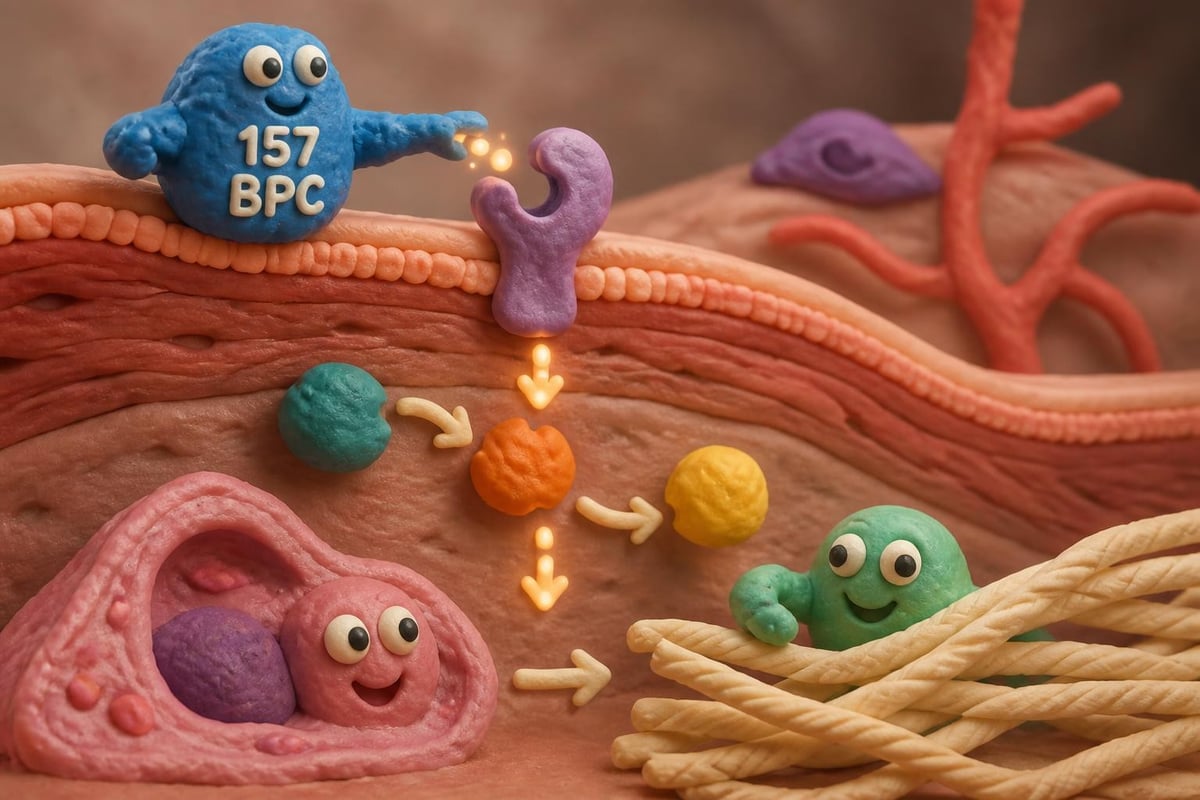
The biological activity of peptide 157 BPC appears to involve multiple cellular signaling pathways rather than a single mechanism of action. Laboratory studies have identified several key pathways through which this peptide may exert its observed effects on tissue models.
Growth Factor Modulation
Research indicates that peptide 157 BPC may influence the expression and activity of various growth factors critical to tissue repair processes. Studies have documented upregulation of vascular endothelial growth factor (VEGF) in certain tissue models, which plays a central role in angiogenesis and blood vessel formation.
The peptide has also been associated with modulation of fibroblast growth factor (FGF) activity in experimental systems. Detailed mechanistic studies have mapped these interactions across more than fifty peer-reviewed investigations, revealing complex interactions with multiple signaling cascades.
Nitric Oxide Pathway Interactions
One particularly well-documented aspect of peptide 157 BPC research involves its apparent interaction with the nitric oxide (NO) pathway. Several studies have reported that the peptide's effects on vascular function and tissue perfusion may be partially mediated through NO-dependent mechanisms.
| Pathway Component | Observed Effect | Research Model Type |
|---|---|---|
| eNOS Expression | Upregulation | Endothelial cell cultures |
| NO Production | Increased | Vascular tissue models |
| VEGF Receptor | Enhanced activity | Multiple tissue types |
| FAK Signaling | Activation | Fibroblast models |
This pathway involvement suggests that peptide 157 BPC may influence tissue repair through improved microcirculation and nutrient delivery to affected areas. However, researchers emphasize that these mechanisms require further investigation in controlled laboratory settings.
Research Applications Across Tissue Types
The breadth of research involving peptide 157 BPC extends across numerous tissue systems, making it one of the most comprehensively studied synthetic peptides in regenerative biology laboratories. Over 212 published studies have examined its effects in various experimental models.
Musculoskeletal Tissue Research
Laboratory investigations have extensively examined peptide 157 BPC in models of musculoskeletal injury and repair. Studies involving tendon, ligament, and muscle tissue have documented several consistent observations:
- Accelerated healing timelines in standardized injury models
- Enhanced collagen fiber organization during tissue remodeling
- Reduced inflammatory markers in acute injury phases
- Improved biomechanical strength measurements in recovered tissues
Researchers at institutions worldwide have replicated these findings across different species and injury types, contributing to a robust body of preclinical evidence. The peptide's effects appear consistent whether administered locally at injury sites or systemically through various routes.
Gastrointestinal System Studies
Given that peptide 157 BPC was derived from a gastric protective compound, extensive research has focused on its effects in gastrointestinal tissue models. Laboratory studies have examined its potential role in:
- Protection against experimentally induced ulceration
- Acceleration of mucosal healing in damage models
- Modulation of inflammatory bowel disease markers
- Maintenance of intestinal barrier integrity under stress conditions
- Regulation of gut-brain axis signaling pathways
These investigations have provided insights into how peptide-based approaches might support natural protective mechanisms in digestive tissues. Systematic reviews of this research have catalogued findings from dozens of controlled laboratory experiments.
Dosing Protocols in Research Settings
Laboratory research involving peptide 157 BPC has employed a wide range of dosing protocols, reflecting the diverse experimental objectives and model systems used across studies. Understanding these protocols provides important context for interpreting research findings and designing new investigations.
Weight-Based Calculation Methods
Most published studies report peptide 157 BPC doses using microgram-per-kilogram (μg/kg) calculations, allowing for standardization across different animal models. Common dosing ranges observed in the literature include:
- Low-dose protocols: 10-50 μg/kg body weight
- Standard-dose protocols: 100-200 μg/kg body weight
- High-dose protocols: 500-1000 μg/kg body weight
The selection of appropriate dosing depends on the specific tissue system under investigation, the severity of the experimental injury model, and the duration of the study protocol. Researchers typically conduct dose-response studies to identify optimal concentrations for their particular experimental conditions.
Administration Frequency and Duration
Study protocols have varied considerably in terms of administration frequency, with some investigations using single-dose designs while others employ repeated dosing over extended periods:
| Protocol Type | Frequency | Typical Duration | Common Applications |
|---|---|---|---|
| Acute intervention | Once or twice daily | 7-14 days | Acute injury models |
| Subacute protocol | Once daily | 2-4 weeks | Tissue repair studies |
| Chronic administration | Once daily | 4-12 weeks | Degenerative models |
| Preventive design | 3-5 times weekly | Variable | Protection studies |
Research teams must carefully consider their experimental timeline when designing peptide 157 BPC protocols, as different biological endpoints may require different treatment durations to manifest measurable effects.
Current State of Human Clinical Evidence
While peptide 157 BPC has been extensively studied in laboratory and animal models, human clinical data remains limited as of 2026. This represents a critical gap in the evidence base and has important implications for how researchers and regulatory agencies evaluate the compound.
Published Human Trials
The number of registered and published human clinical trials involving peptide 157 BPC remains small relative to the extensive preclinical research base. Recent systematic reviews have identified fewer than ten completed human studies, most of which involved small sample sizes and exploratory designs.
These limited human investigations have primarily focused on safety assessments rather than efficacy endpoints. The trials have examined various administration routes and dosing regimens, providing preliminary data on tolerability profiles.
FDA Classification and Regulatory Status
The regulatory landscape surrounding peptide 157 BPC has evolved considerably in recent years. The compound currently faces scrutiny from regulatory agencies, which has impacted its classification and availability for research purposes.
Researchers working with peptide 157 BPC must navigate an evolving regulatory environment that reflects broader policy discussions about peptide therapeutics. Safety profile analyses emphasize the need for additional human data to fully characterize the compound's effects in clinical populations.
Laboratory Quality and Purity Considerations
The reliability of research findings depends fundamentally on the quality and purity of peptide compounds used in experimental protocols. For peptide 157 BPC, as with all research peptides, sourcing from verified suppliers with rigorous quality control processes is essential.
Third-Party Testing Standards
High-quality research-grade peptides undergo comprehensive analytical testing to verify their identity, purity, and consistency. Standard testing methods include:
- High-performance liquid chromatography (HPLC) for purity assessment, typically targeting ≥98% purity for research applications
- Mass spectrometry for molecular weight confirmation and structural verification
- Amino acid analysis to confirm sequence accuracy
- Bacterial endotoxin testing to ensure absence of contamination
Laboratories conducting peptide research should require certificates of analysis (COA) from suppliers, documenting these test results for each batch. Data Peptides, for instance, provides third-party batch testing documentation for all products, ensuring researchers can verify the quality of compounds used in their investigations.
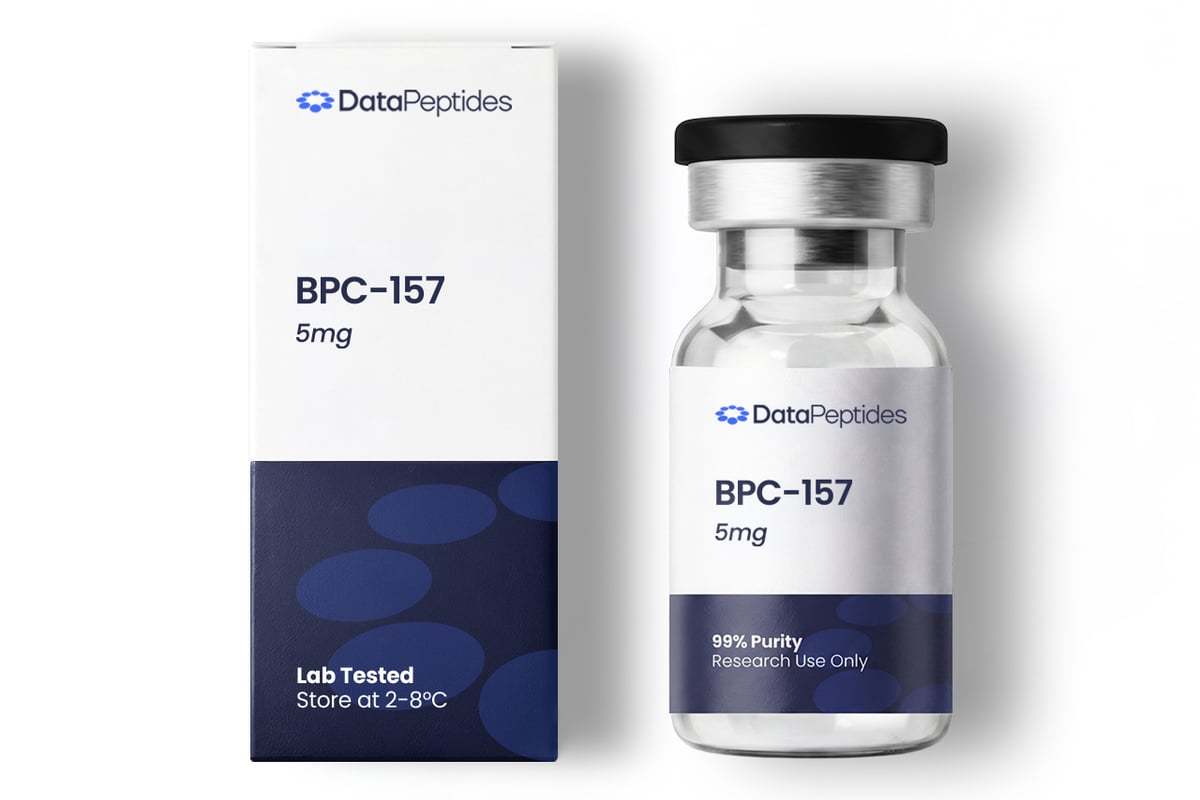
Data Peptides offers BPC-157 manufactured to laboratory-grade standards in US facilities, with comprehensive purity documentation to support rigorous research protocols. This commitment to quality helps researchers maintain experimental consistency and reproducibility.
Storage and Handling Best Practices
Proper storage conditions are critical for maintaining peptide 157 BPC stability throughout research projects:
- Lyophilized (powder) form: Store at -20°C or colder in original sealed vials
- Reconstituted solutions: Refrigerate at 2-8°C and use within recommended timeframes
- Aliquoting strategies: Divide reconstituted peptide into single-use portions to minimize freeze-thaw cycles
- Light protection: Maintain peptides in amber vials or wrap in foil to prevent photodegradation
- Sterility maintenance: Use aseptic technique when handling reconstituted solutions
Following these protocols helps ensure that experimental results reflect the peptide's biological activity rather than degradation-related artifacts.
Combination Approaches in Research Models
Many contemporary research protocols investigate peptide 157 BPC in combination with other compounds rather than as a standalone agent. These combination approaches reflect an interest in potential synergistic effects and multi-pathway interventions.
Peptide Combination Strategies
Researchers have explored several combination frameworks:
Tissue repair combinations often pair peptide 157 BPC with TB-500 (Thymosin Beta-4), based on their complementary mechanisms in supporting cellular migration and angiogenesis. Laboratory studies have examined whether this pairing produces enhanced effects compared to either compound alone.
Regenerative blends may incorporate peptide 157 BPC alongside copper peptides like GHK-Cu, which influence collagen synthesis and tissue remodeling through distinct pathways. These multi-component approaches attempt to address tissue repair from multiple mechanistic angles simultaneously.
The KLOW Blend research framework represents one example of how multiple peptides with different mechanisms can be combined in experimental protocols designed to comprehensively support tissue regeneration pathways.
Adjunct Compound Considerations
Beyond peptide combinations, some research protocols incorporate peptide 157 BPC alongside:
- Growth hormone secretagogues to enhance the hormonal environment during tissue repair
- Anti-inflammatory compounds to modulate the immune response phase
- Nutritional cofactors supporting collagen synthesis and tissue metabolism
These complex protocols require careful design to isolate the specific contributions of each component and avoid confounding variables in data interpretation.
Emerging Research Directions for 2026
The research landscape surrounding peptide 157 BPC continues to evolve, with several promising directions emerging in current scientific literature. Comprehensive research activity tracking indicates sustained interest across multiple research domains.
Neural Tissue Applications
Recent investigations have begun exploring peptide 157 BPC effects in neural tissue models, including:
- Neuroprotection in experimental models of traumatic brain injury
- Peripheral nerve regeneration following standardized injury protocols
- Dopaminergic pathway modulation in neurotoxicity models
- Blood-brain barrier integrity under experimental stress conditions
These newer research areas complement the extensive musculoskeletal and gastrointestinal literature, suggesting broader potential applications across tissue systems.
Systemic Effects and Multi-Organ Research
Rather than focusing exclusively on specific tissue types, some researchers are investigating how peptide 157 BPC affects multiple organ systems simultaneously. Studies examining systemic effects have documented coordinated responses across cardiovascular, hepatic, renal, and pulmonary tissues.
This systems-level approach may provide insights into how peptide-based interventions influence whole-organism homeostasis rather than isolated tissue responses. Such research requires sophisticated experimental designs capable of monitoring multiple endpoints across different organ systems concurrently.
Methodological Considerations for Research Design
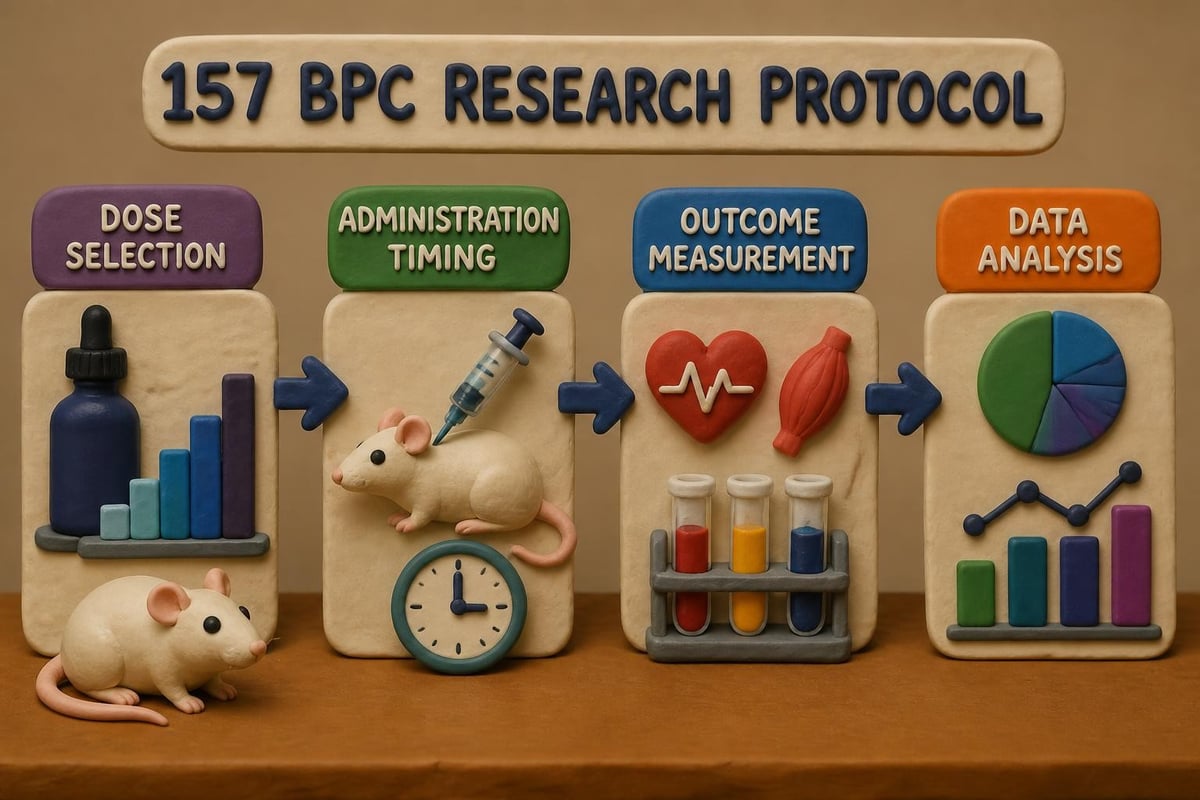
Designing rigorous research protocols involving peptide 157 BPC requires attention to numerous methodological details that can significantly impact data quality and interpretability.
Control Group Selection
Appropriate control groups are essential for isolating peptide-specific effects from other experimental variables:
- Vehicle controls using the same reconstitution solution without active peptide
- Sham procedure controls for surgical or injury models
- Positive controls using established interventions for comparison
- Time-matched controls to account for natural healing processes
The choice of control conditions should align with the specific research question and experimental model being employed.
Outcome Measurement Approaches
Researchers have developed diverse methods for quantifying peptide 157 BPC effects across different tissue systems:
| Tissue Type | Measurement Methods | Key Endpoints |
|---|---|---|
| Musculoskeletal | Biomechanical testing, histology | Tensile strength, collagen organization |
| Gastrointestinal | Ulcer index scoring, permeability assays | Lesion area, barrier function |
| Cardiovascular | Doppler imaging, angiography | Blood flow, vessel density |
| Neural | Behavioral testing, electrophysiology | Functional recovery, conduction velocity |
Selecting appropriate outcome measures requires understanding both the biological system under investigation and the technical capabilities of the research facility.
Research Applications Beyond Direct Tissue Repair
While much peptide 157 BPC research focuses on direct tissue repair mechanisms, investigators have also explored its potential effects on related biological processes that may indirectly influence regenerative capacity.
Inflammatory Pathway Modulation
Laboratory studies have documented peptide 157 BPC interactions with various inflammatory signaling pathways. Research has examined its effects on:
- Cytokine expression profiles in inflammatory tissue models
- Immune cell recruitment and activation patterns
- Resolution phase mediators in experimental inflammation
- Chronic inflammatory marker regulation over extended timeframes
Understanding these anti-inflammatory mechanisms helps contextualize the peptide's observed effects in injury models where inflammation plays a significant role in tissue damage and repair dynamics.
Oxidative Stress Response
Some investigations have explored whether peptide 157 BPC influences cellular responses to oxidative stress, including:
- Antioxidant enzyme expression in stressed tissue models
- Reactive oxygen species (ROS) generation under experimental conditions
- Mitochondrial function markers in metabolically challenged cells
- Cellular stress response pathway activation
These research directions connect peptide 157 BPC to broader questions about cellular resilience and adaptive capacity under challenging conditions.
Quality Assurance in Peptide Research Programs
Maintaining rigorous quality standards throughout research programs involving peptide 157 BPC ensures data reliability and experimental reproducibility. Research institutions should implement comprehensive quality assurance protocols covering all aspects of peptide handling and use.
Documentation and Traceability
Best practices include:
- Maintaining detailed records of peptide lot numbers, receipt dates, and storage conditions
- Documenting reconstitution procedures, including solvent types and concentrations
- Recording all administration events with precise timing and dosing information
- Archiving certificates of analysis and quality documentation for each batch
This documentation framework supports both internal quality control and external validation of research findings when results are submitted for publication or regulatory review.
Equipment Calibration and Validation
Research involving precise peptide dosing requires properly calibrated equipment:
- Analytical balances verified for accuracy at relevant weight ranges
- Micropipettes calibrated according to manufacturer specifications
- pH meters standardized using appropriate buffer solutions
- Refrigeration units with documented temperature monitoring
Regular equipment validation prevents technical errors that could compromise experimental data quality.
Interpreting Research Literature on Peptide 157 BPC
As researchers review the extensive literature on peptide 157 BPC, critical evaluation of study design and methodology becomes essential for accurately interpreting findings and their implications.
Evidence Hierarchy Considerations
Not all research evidence carries equal weight when evaluating peptide effects:
- Randomized controlled studies provide the highest quality preclinical evidence
- Dose-response investigations help establish biological plausibility
- Mechanistic studies clarify how observed effects occur at cellular levels
- Single-arm observational research offers preliminary insights requiring validation
Bibliographic compilations categorize studies by evidence tier, helping researchers quickly identify the most rigorous investigations in the literature base.
Translation Gaps from Models to Applications
Researchers must recognize important limitations when extrapolating from animal models to potential applications:
The overwhelming majority of peptide 157 BPC research has been conducted in rodent models, which differ from human physiology in critical ways. Dosing calculations based on body weight may not accurately reflect equivalent exposures across species due to differences in metabolic rates and peptide pharmacokinetics.
Experimental injury models, while standardized and reproducible, represent simplified versions of complex clinical conditions. The controlled laboratory environment eliminates many variables present in real-world scenarios that might influence outcomes.
Peptide 157 BPC represents a thoroughly investigated synthetic compound with documented effects across diverse tissue systems in laboratory settings, though significant gaps remain in human clinical evidence. For researchers seeking to incorporate this peptide into rigorous experimental protocols, sourcing from suppliers committed to quality, purity, and transparency is fundamental to generating reliable data. Data Peptides provides laboratory-grade, US-manufactured research peptides with third-party batch testing documentation, supporting the scientific community's need for verified compounds in advancing peptide research programs.