
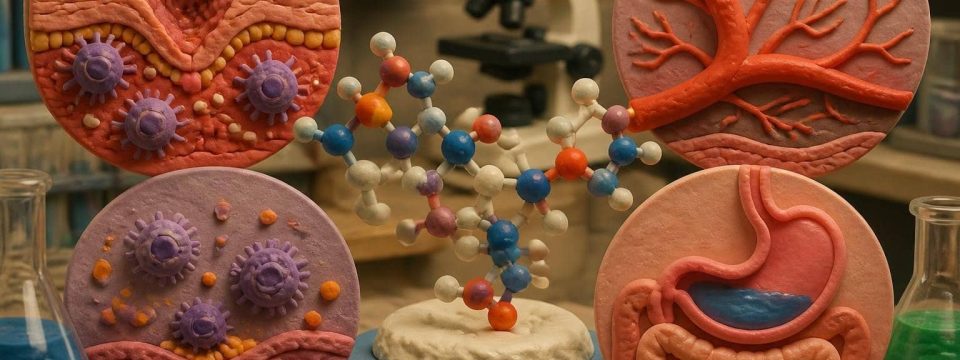
Peptide 157, more commonly known as BPC-157 in research literature, has emerged as one of the most extensively studied synthetic peptides in preclinical investigations. This fifteen-amino-acid sequence, derived from a protective protein found in gastric juice, has demonstrated remarkable versatility in laboratory models examining tissue repair, angiogenesis, and inflammatory modulation. As researchers continue to explore its mechanisms and potential applications, understanding the fundamental properties and research findings surrounding peptide 157 becomes essential for laboratory professionals working in regenerative medicine, pharmacology, and molecular biology.
Molecular Structure and Chemical Properties
Peptide 157 consists of a specific sequence of fifteen amino acids that form a stable pentadecapeptide structure. The peptide's chemical composition provides resistance to gastric acid degradation, making it unique among many bioactive peptides that typically require protection from enzymatic breakdown.
Synthetic Origins and Stability
Unlike naturally occurring peptides extracted from biological sources, peptide 157 is synthesized in laboratory settings using solid-phase peptide synthesis methods. This manufacturing approach allows researchers to produce batches with consistent purity and molecular integrity. The peptide's stability profile extends beyond typical peptide compounds, maintaining biological activity across a range of pH levels and temperatures encountered in experimental protocols.
The molecular weight of peptide 157 falls within a range that permits both systemic distribution and localized action in research models. This dual capacity makes it particularly valuable for investigations examining both regional tissue effects and broader physiological responses.
Key structural characteristics include:
- Fifteen amino acid residues in specific sequence
- Molecular formula: C₆₂H₉₈N₁₆O₂₂
- Molecular weight: approximately 1419 Da
- High stability in acidic and enzymatic environments
- Water-soluble properties facilitating experimental administration
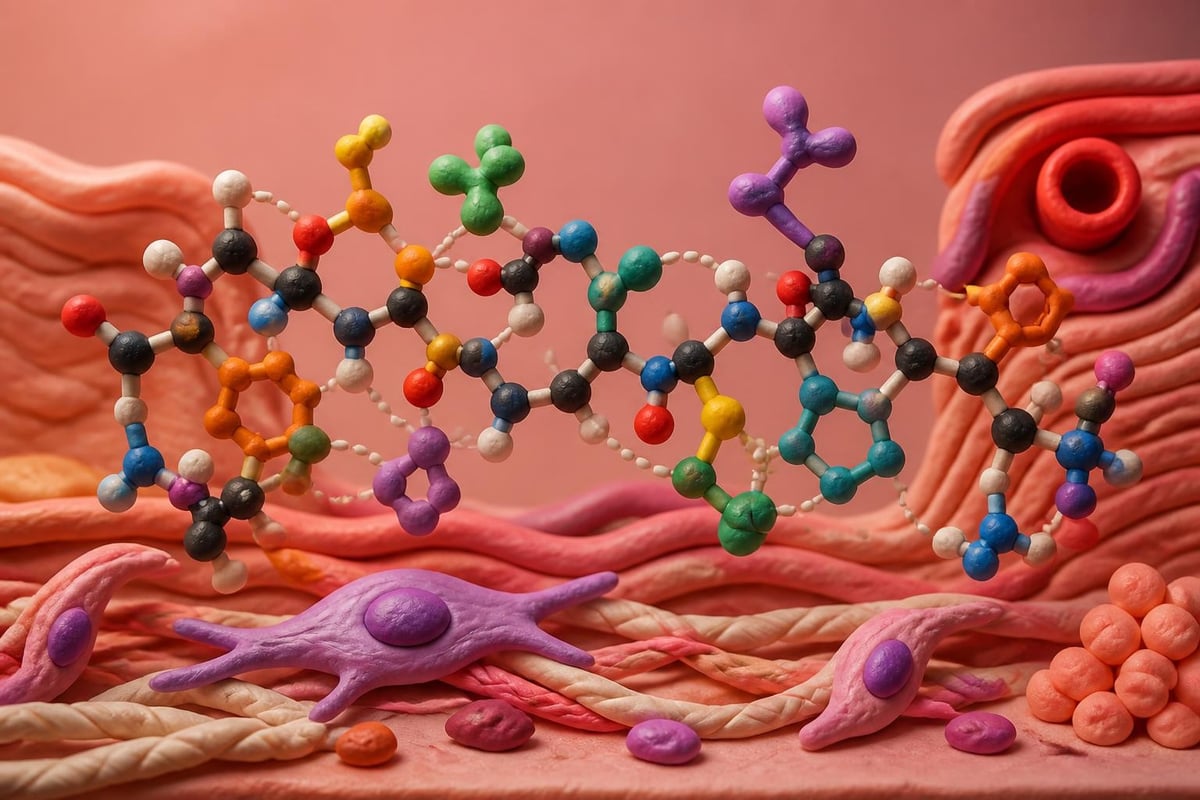
Mechanisms of Action in Laboratory Models
Research into peptide 157 has identified multiple molecular pathways through which this compound exerts biological effects in experimental systems. Understanding these mechanisms provides context for interpreting research findings and designing future investigations.
Angiogenic Pathway Activation
One of the most consistently observed effects in laboratory studies involves peptide 157's influence on blood vessel formation. The peptide appears to modulate the expression of vascular endothelial growth factor (VEGF) and other angiogenic mediators, as documented in comprehensive research reviews. This angiogenic activity has been observed across multiple tissue types in preclinical models, suggesting a fundamental mechanism rather than tissue-specific action.
The promotion of new blood vessel development supports tissue repair processes by enhancing nutrient delivery and waste removal in damaged areas. Research models examining wound healing, tendon repair, and muscle regeneration have demonstrated correlations between peptide 157 administration and improved vascularization metrics.
Inflammatory Response Modulation
Peptide 157 has shown capacity to influence inflammatory signaling pathways in experimental contexts. Rather than simply suppressing all inflammatory responses, research suggests the peptide may help regulate the balance between pro-inflammatory and anti-inflammatory mediators.
| Inflammatory Marker | Observed Effect in Models | Proposed Mechanism |
|---|---|---|
| TNF-α | Reduction | Cytokine pathway modulation |
| IL-6 | Context-dependent regulation | Signaling cascade influence |
| COX-2 | Downregulation | Enzymatic pathway interference |
| Nitric oxide | Balanced production | NO synthase activity modulation |
This regulatory capacity may explain the peptide's observed effects in models of inflammatory conditions affecting diverse tissue systems. The compound appears to support resolution of inflammation rather than merely blocking inflammatory initiation.
Growth Factor Interaction
Evidence from multiple research groups indicates peptide 157 interacts with various growth factor systems beyond VEGF. These interactions include influences on fibroblast growth factor (FGF), platelet-derived growth factor (PDGF), and nerve growth factor (NGF) pathways. Such broad growth factor modulation could account for the peptide's effects across different tissue repair scenarios examined in laboratory settings.
Preclinical Research Findings
The majority of published research on peptide 157 consists of animal studies and in vitro cellular models. These investigations have explored applications ranging from musculoskeletal repair to gastrointestinal protection.
Musculoskeletal Tissue Studies
Numerous preclinical investigations have examined peptide 157's effects on muscle, tendon, and ligament healing. Laboratory models of tendon injury have demonstrated accelerated healing timelines and improved biomechanical properties in tissues treated with the peptide compared to control groups.
Research models examining musculoskeletal applications have measured:
- Healing rate of surgically created tendon lesions
- Biomechanical strength of repaired connective tissues
- Histological markers of tissue remodeling
- Gene expression patterns in healing tissues
- Functional recovery metrics in locomotor assessments
A comprehensive research database compiling these findings reveals consistent patterns across multiple independent research groups, though variations in dosing, administration routes, and measurement timepoints complicate direct comparisons.
Gastrointestinal Protection Research
Given peptide 157's derivation from gastric protective proteins, substantial research has focused on gastrointestinal applications. Laboratory models of ulceration, inflammatory bowel conditions, and intestinal damage have shown protective and reparative effects following peptide administration.
These studies have examined both preventive protocols (peptide administration prior to damage induction) and therapeutic protocols (peptide administration after damage establishment). Both approaches have yielded positive results in reducing lesion severity and accelerating mucosal healing in various experimental paradigms.
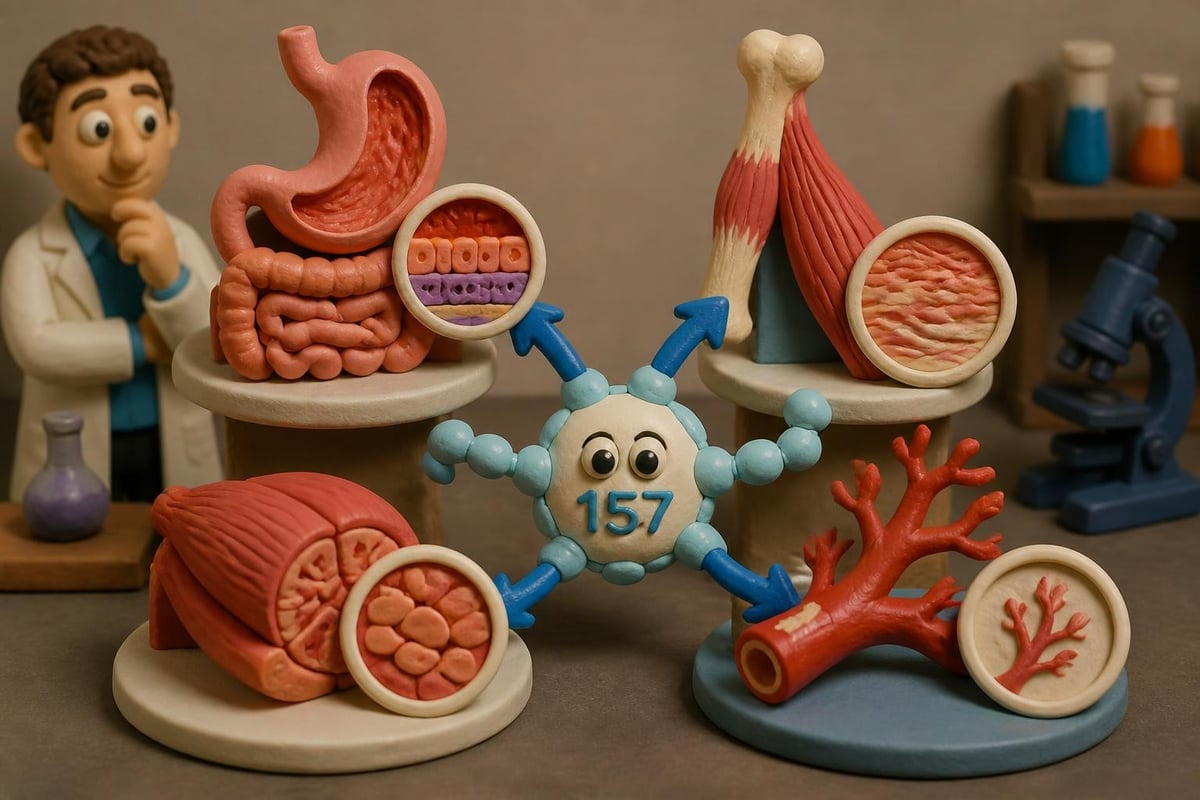
Neuroprotective and Systemic Effects
Beyond localized tissue repair, research has identified systemic effects across multiple organ systems following peptide 157 administration. Studies have explored potential neuroprotective properties in models of brain injury, dopaminergic system function, and peripheral nerve damage.
The mechanisms underlying these systemic effects remain under investigation, but proposed explanations include the peptide's influence on nitric oxide pathways, regulation of various neurotransmitter systems, and promotion of neurovascular coupling. Research in this domain spans from molecular investigations of receptor binding to behavioral assessments in animal models.
Laboratory Applications and Research Protocols
For researchers incorporating peptide 157 into experimental designs, understanding proper handling, reconstitution, and administration protocols ensures reliable results and reproducibility.
Storage and Handling Requirements
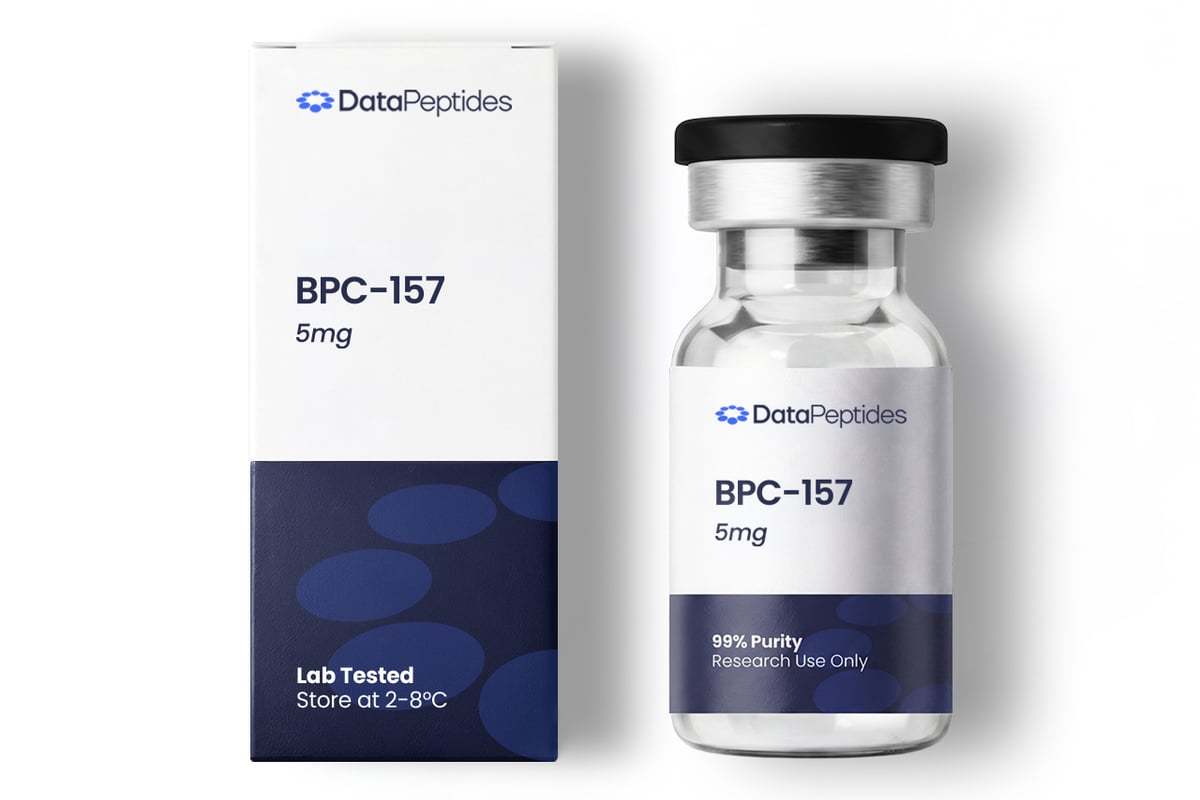
Peptide 157 in lyophilized (freeze-dried) powder form maintains stability when stored appropriately. Laboratory protocols typically specify storage at temperatures between 2-8°C for short-term use or -20°C for extended storage periods.
Once reconstituted with bacteriostatic water or other appropriate solvents, the peptide solution requires refrigeration and should be used within timeframes specified by stability testing data. Researchers should avoid repeated freeze-thaw cycles, which can degrade peptide integrity and compromise experimental validity.
Dosing Considerations in Research Models
Published research on peptide 157 has employed a wide range of dosing protocols, reflecting the diversity of research questions and model systems. Doses typically are calculated based on body weight in animal studies, with common ranges falling between 10 mcg/kg and 500 mcg/kg depending on the specific application and administration route.
| Administration Route | Typical Dose Range | Research Applications |
|---|---|---|
| Intraperitoneal | 10-500 mcg/kg | Systemic effects, organ protection |
| Subcutaneous | 100-500 mcg/kg | Localized tissue repair, inflammation |
| Oral | Higher doses required | Gastrointestinal studies |
| Topical | Variable concentration | Wound healing, dermal applications |
Researchers designing new protocols should reference established research overviews and adjust parameters based on specific experimental objectives, model organism characteristics, and measured endpoints.
For laboratories seeking reliable sources of research compounds, BPC-157 from verified suppliers ensures batch-to-batch consistency with third-party purity verification. This quality control becomes essential when comparing results across experiments or attempting to replicate published findings.
Experimental Design Considerations
When incorporating peptide 157 into research protocols, several design elements merit careful attention. Control groups should receive appropriate vehicle solutions to account for injection effects or handling stress in animal models. Blinding procedures help minimize observer bias when assessing subjective endpoints like behavioral measures or histological scoring.
Critical experimental design elements include:
- Appropriate control groups (vehicle, sham, untreated)
- Sufficient sample sizes for statistical power
- Clearly defined primary and secondary endpoints
- Standardized administration timing and frequency
- Validated measurement techniques
- Consideration of sex differences in biological responses
Researchers should also consider the timing of peptide administration relative to injury or intervention. Preventive protocols, immediate post-injury administration, and delayed treatment initiation may yield different results and model different clinical scenarios.
Current State of Human Clinical Research
While preclinical research on peptide 157 spans hundreds of published studies, human clinical data remains notably limited. This disparity between extensive animal research and minimal human trials represents a significant knowledge gap in the field.
Published Clinical Investigations
As of 2026, the number of completed and published clinical trials involving peptide 157 in human subjects remains extremely limited. Critical analyses of peer-reviewed literature have highlighted this gap, noting that the enthusiasm surrounding the peptide in research communities has not yet translated into substantial human clinical investigation.
The few human studies that have been initiated or completed have faced methodological limitations, small sample sizes, or narrow scope that restrict generalizability of findings. Regulatory considerations and funding challenges contribute to the slow progression from laboratory bench to clinical bedside.
Regulatory Status and Research Implications
Peptide 157 remains an investigational compound without approved therapeutic indications. Regulatory agencies including the FDA have not approved the peptide for human medical use, and it is classified exclusively as a research chemical for laboratory applications.
This regulatory status creates important distinctions for research purposes. Laboratory investigations using appropriate animal models, cell cultures, and in vitro systems continue without restriction as part of basic science research. However, researchers must clearly distinguish between laboratory research applications and any therapeutic claims or human use.

Quality Control and Purity Verification
The reliability of research findings depends fundamentally on the quality and purity of compounds used in experimental protocols. For peptide research, third-party verification of molecular identity and purity becomes essential.
Analytical Testing Methods
High-performance liquid chromatography (HPLC) and mass spectrometry (MS) represent gold-standard methods for peptide purity analysis. These techniques can identify the target peptide, quantify purity percentages, and detect potential contaminants or degradation products.
Standard quality control tests for research peptides include:
- HPLC analysis for purity percentage
- Mass spectrometry for molecular weight confirmation
- Amino acid analysis for sequence verification
- Endotoxin testing for biological safety
- pH and appearance inspection
- Sterility testing when applicable
Researchers should request certificates of analysis (COA) from suppliers, documenting these test results for each production batch. This documentation ensures experimental reproducibility and helps troubleshoot unexpected results that might stem from compound quality issues rather than biological variables.
Batch-to-Batch Consistency
Synthetic peptide manufacturing can introduce variability between production batches due to differences in raw materials, synthesis conditions, or purification processes. Third-party testing helps identify such variations before they compromise research integrity.
For laboratories conducting long-term studies or multi-phase experiments, maintaining consistent peptide sources and verifying batch quality prevents confounding variables. Evidence reviews emphasizing reproducibility in peptide research underscore the importance of this quality verification step.
Comparative Research with Related Compounds
Understanding peptide 157 within the broader context of related research peptides helps researchers select appropriate compounds for specific experimental objectives and design comparative studies.
Relationship to Other Protective Peptides
Peptide 157 belongs to a broader class of protective and reparative peptides that have garnered research interest. Compounds like thymosin beta-4 fragments, copper peptides, and other gastric-derived sequences share some mechanistic features while maintaining distinct molecular identities.
Comparative studies examining multiple peptides within single experimental frameworks help elucidate shared versus unique mechanisms. Such research can identify synergistic combinations or reveal tissue-specific advantages of particular compounds.
Combination Research Protocols
Some research protocols have examined peptide 157 in combination with other compounds to explore potential synergistic effects. These combinations might include other peptides, growth factors, or conventional therapeutic agents depending on the research question.
| Combination Approach | Research Rationale | Observed Effects |
|---|---|---|
| Peptide 157 + TB-500 fragment | Complementary repair mechanisms | Enhanced healing in some models |
| Peptide 157 + GHK-Cu | Collagen synthesis support | Improved tissue remodeling |
| Peptide 157 + Standard therapy | Potential enhancement of existing treatments | Variable results across models |
Researchers exploring combination approaches should carefully control for individual compound effects through appropriate experimental groups, ensuring that any observed synergy represents true interaction rather than simple additive effects.
Future Research Directions and Unanswered Questions
Despite extensive preclinical investigation, significant questions about peptide 157 remain unanswered, presenting opportunities for future research contributions.
Mechanistic Gaps
While multiple mechanisms have been proposed and partially characterized, the complete picture of how peptide 157 exerts its biological effects remains incomplete. Questions persist about receptor binding, intracellular signaling cascades, and tissue-specific versus systemic actions.
Key mechanistic questions for future research:
- Complete identification of primary molecular targets
- Mapping of downstream signaling pathways
- Tissue-specific versus universal mechanisms
- Dose-response relationships across applications
- Temporal dynamics of biological effects
- Individual variability in response patterns
Addressing these questions requires sophisticated molecular biology techniques, advanced imaging modalities, and carefully designed comparative studies.
Clinical Translation Challenges
The pathway from promising preclinical findings to validated clinical applications involves numerous challenges. For peptide 157, the limited human data creates uncertainty about whether animal model results will translate to human physiology.
Future research priorities should include properly designed clinical trials with adequate sample sizes, validated endpoints, and rigorous methodological standards. Comprehensive safety assessments and dosing context studies will be necessary to support any potential therapeutic development.
Long-Term Effects and Safety Profiles
Most preclinical studies of peptide 157 have examined relatively short timeframes corresponding to acute injury models or limited treatment durations. Questions about long-term administration effects, potential tolerance development, or delayed adverse effects remain largely unexplored.
Research protocols examining extended administration periods, washout effects, and long-term outcome tracking would address these gaps and provide more complete safety characterization.
Laboratory Best Practices for Peptide Research
Researchers working with peptide 157 and similar compounds should adhere to established best practices ensuring safety, reproducibility, and scientific rigor.
Documentation and Record-Keeping
Comprehensive documentation of all experimental procedures, peptide sources, batch numbers, and storage conditions enables reproducibility and troubleshooting. Laboratory notebooks should capture sufficient detail that another researcher could replicate the protocol exactly.
For multi-investigator laboratories, standardized protocols and training procedures ensure consistency across different personnel. Regular calibration of measurement equipment and validation of analytical methods maintain data quality over time.
Safety Considerations
While peptide 157 demonstrates relatively low toxicity in preclinical models, appropriate laboratory safety practices apply to all research chemicals. Personal protective equipment, proper ventilation, and spill containment procedures protect laboratory personnel.
Material safety data sheets (MSDS) should be readily accessible, and all laboratory members should understand proper handling, disposal, and emergency response procedures for peptides and associated solvents.
Ethical Research Conduct
Animal research involving peptide 157 requires appropriate institutional animal care and use committee (IACUC) approval and adherence to ethical guidelines for animal welfare. Researchers should apply the principles of replacement, reduction, and refinement to minimize animal use while maintaining scientific validity.
Study designs should incorporate humane endpoints, appropriate analgesia when applicable, and euthanasia methods consistent with institutional and regulatory requirements. For researchers exploring alternatives, complete scientific guides discuss various model systems including cell cultures and tissue explants that may reduce animal requirements for certain research questions.
Integration with Broader Peptide Research Programs
Peptide 157 research rarely occurs in isolation but typically fits within broader research programs examining tissue repair, regenerative medicine, or gastrointestinal pathophysiology.
Cross-Disciplinary Applications
The diverse effects observed in peptide 157 research attract interest from multiple scientific disciplines. Orthopedic researchers examine tendon and ligament applications, gastroenterologists investigate mucosal protection, neuroscientists explore neuroprotective potential, and sports medicine researchers consider performance recovery applications.
This cross-disciplinary interest creates opportunities for collaborative research that combines expertise from different fields, potentially accelerating understanding through diverse methodological approaches and perspectives.
Integration with Advanced Technologies
Modern research technologies offer new tools for examining peptide 157 mechanisms and effects. Advanced imaging modalities allow real-time visualization of healing processes, genetic sequencing techniques reveal gene expression changes, and systems biology approaches integrate multiple data streams into comprehensive models.
Emerging technologies applicable to peptide research include:
- Single-cell RNA sequencing for cellular response profiling
- Advanced microscopy for subcellular mechanism visualization
- Metabolomics for systemic effect characterization
- Tissue engineering platforms for controlled testing environments
- Computational modeling for mechanism prediction
Integrating peptide 157 research with these advanced methodologies may unlock new insights not accessible through traditional experimental approaches.
Peptide 157 represents a compound of significant research interest with demonstrated effects across multiple biological systems in preclinical models, though substantial gaps remain in human clinical understanding. Laboratory professionals investigating tissue repair, protective mechanisms, or regenerative processes will find extensive preclinical literature to inform experimental design while recognizing the need for continued rigorous investigation. For researchers requiring high-purity, verified research compounds for their investigations, Data Peptides provides laboratory-grade, US-manufactured peptides with third-party batch testing, ensuring the quality and consistency essential for reproducible scientific research. All products are intended solely for laboratory research applications and contribute to advancing our understanding of peptide biology and potential therapeutic mechanisms.