

The TA-1 peptide, formally known as Thymosin Alpha-1, represents one of the most extensively studied immunomodulatory compounds in modern peptide research. This 28-amino acid sequence, originally isolated from thymic tissue in the 1970s, has captured the attention of researchers worldwide due to its profound influence on immune system regulation and cellular defense mechanisms. As a laboratory research compound, TA-1 peptide continues to reveal new dimensions of immune modulation, making it an essential reference point for scientists exploring cellular immunity, inflammatory pathways, and adaptive immune responses.
Molecular Structure and Biochemical Properties
The TA-1 peptide consists of a precise sequence of 28 amino acids with the chemical formula C129H215N33O55. This specific arrangement creates a molecular weight of approximately 3,108 Daltons, positioning it within the range of small bioactive peptides that can effectively interact with cellular receptors and signaling pathways.
Amino Acid Sequence and Configuration
The exact amino acid sequence of TA-1 peptide follows a highly conserved pattern: Ac-Ser-Asp-Ala-Ala-Val-Asp-Thr-Ser-Ser-Glu-Ile-Thr-Thr-Lys-Asp-Leu-Lys-Glu-Lys-Lys-Glu-Val-Val-Glu-Glu-Ala-Glu-Asn-OH. The N-terminal acetylation plays a critical role in maintaining structural stability and biological activity.
This configuration allows the peptide to maintain its tertiary structure in physiological conditions, which is essential for receptor binding and downstream signaling events. The presence of multiple glutamic acid and aspartic acid residues creates distinct charge distribution patterns that facilitate interaction with immune cell surface proteins.

Stability and Storage Considerations
Laboratory handling of TA-1 peptide requires attention to specific storage parameters. The compound demonstrates optimal stability when maintained at temperatures between -20°C and -80°C in lyophilized form. Once reconstituted, the peptide solution should be stored at 2-8°C and used within specified timeframes to prevent degradation.
Research protocols typically recommend reconstitution with bacteriostatic water or sterile saline, avoiding excessive agitation that could denature the peptide structure. Storage recommendations emphasize the importance of avoiding repeated freeze-thaw cycles, which can compromise molecular integrity and experimental reproducibility.
Mechanism of Action and Cellular Targets
The TA-1 peptide exerts its effects through multiple cellular pathways, primarily centered on immune cell activation and differentiation. Unlike single-target compounds, this peptide demonstrates pleiotropic effects across various immune cell populations, making it a versatile tool for immunological research.
Dendritic Cell Activation
One of the primary mechanisms involves the activation of dendritic cells, which serve as professional antigen-presenting cells in the immune system. TA-1 peptide enhances the maturation and functional capacity of these cells, increasing their expression of co-stimulatory molecules and improving their ability to present antigens to T lymphocytes.
Research demonstrates that TA-1 peptide upregulates the production of interleukin-12 (IL-12) in dendritic cells, creating a cascade effect that promotes T-helper 1 (Th1) immune responses. This particular pathway has significant implications for research into cellular immunity and adaptive immune function.
T-Cell Differentiation Pathways
The influence of TA-1 peptide on T-cell populations represents another crucial mechanism. The compound facilitates the differentiation of naive T cells into mature, functional lymphocytes capable of mounting effective immune responses. T-cell maturation processes enhanced by TA-1 peptide include increased expression of CD4 and CD8 surface markers, improved cytokine production, and enhanced cytotoxic capabilities.
| Immune Cell Type | TA-1 Peptide Effect | Functional Outcome |
|---|---|---|
| Dendritic Cells | Enhanced maturation | Improved antigen presentation |
| CD4+ T Cells | Increased differentiation | Enhanced helper function |
| CD8+ T Cells | Improved cytotoxic activity | Stronger cellular immunity |
| Natural Killer Cells | Activated cytotoxicity | Enhanced innate response |
| Regulatory T Cells | Modulated activity | Balanced immune homeostasis |
Toll-Like Receptor Signaling
A particularly noteworthy aspect of TA-1 peptide function involves its interaction with toll-like receptor (TLR) pathways. The peptide specifically activates TLR9 and influences MyD88-dependent signaling cascades, leading to enhanced production of type I interferons and other immunomodulatory cytokines.
This mechanism provides researchers with a valuable tool for studying innate immune activation and the bridge between innate and adaptive immunity. The TLR pathway activation by TA-1 peptide offers insights into how small peptides can influence complex immune signaling networks.
Research Applications and Experimental Protocols
Laboratory investigation of TA-1 peptide spans multiple research domains, from basic immunology to complex disease modeling. Understanding appropriate experimental design and protocol parameters ensures reproducible, meaningful results.
Immunological Research Models
Researchers employ TA-1 peptide in various in vitro and ex vivo experimental systems to explore immune function. Common applications include:
- T-cell proliferation assays: Measuring the impact on lymphocyte expansion and activation
- Cytokine production studies: Quantifying changes in IL-2, IL-12, IFN-gamma, and other immune mediators
- Dendritic cell maturation experiments: Evaluating phenotypic changes and functional capacity
- Mixed lymphocyte reactions: Assessing alloreactive responses and tolerance mechanisms
- Natural killer cell activity assays: Determining cytotoxic function and target cell lysis
Each application requires careful consideration of dosing parameters, timing, and measurement endpoints. Typical research concentrations range from 1 to 100 μg/mL, depending on the specific cellular system and experimental objectives.

Dosing and Concentration Parameters
Establishing appropriate dosing protocols requires consideration of multiple factors, including cell density, culture conditions, and experimental duration. Standard research protocols typically follow these general guidelines:
- Initial screening: Test a range of concentrations (0.1, 1, 10, 100 μg/mL) to establish dose-response relationships
- Temporal analysis: Evaluate effects at multiple time points (6, 12, 24, 48, 72 hours) post-administration
- Cell-type specificity: Adjust concentrations based on the sensitivity of target cell populations
- Combination studies: When co-administered with other compounds, reduce individual concentrations to avoid saturation effects
- Vehicle controls: Include appropriate control groups with reconstitution buffer alone
Measurement and Analysis Techniques
Quantifying TA-1 peptide effects requires sophisticated analytical methods. Flow cytometry serves as a primary tool for assessing cellular phenotypes, measuring surface marker expression, and determining cell population frequencies. ELISA-based assays enable precise quantification of cytokine production and secreted factors.
Gene expression analysis through qRT-PCR or RNA sequencing provides deeper insights into transcriptional changes induced by TA-1 peptide exposure. These techniques reveal alterations in immune-related genes, transcription factors, and regulatory pathways that extend beyond simple protein measurements.
Comparative Analysis with Related Peptides
Understanding TA-1 peptide within the broader context of immunomodulatory compounds helps researchers select appropriate tools for specific experimental questions. Several peptides share overlapping mechanisms or complementary functions worth considering.
Thymic Peptides and Immune Modulators
The thymic peptide family includes several related compounds, each with distinct characteristics. Thymosin Beta-4, for instance, primarily influences tissue repair and regeneration rather than direct immune modulation. TB-500, a synthetic version of Thymosin Beta-4, demonstrates different applications in research related to wound healing and angiogenesis.
| Peptide | Primary Function | Key Difference from TA-1 |
|---|---|---|
| Thymosin Alpha-1 | Immune modulation | Direct T-cell effects |
| Thymosin Beta-4 | Tissue repair | Cell migration focus |
| TB-500 | Regeneration | Actin-binding properties |
| Thymulin | Zinc-dependent immune support | Requires zinc cofactor |
| Thymopoietin | T-cell maturation | Different receptor targets |
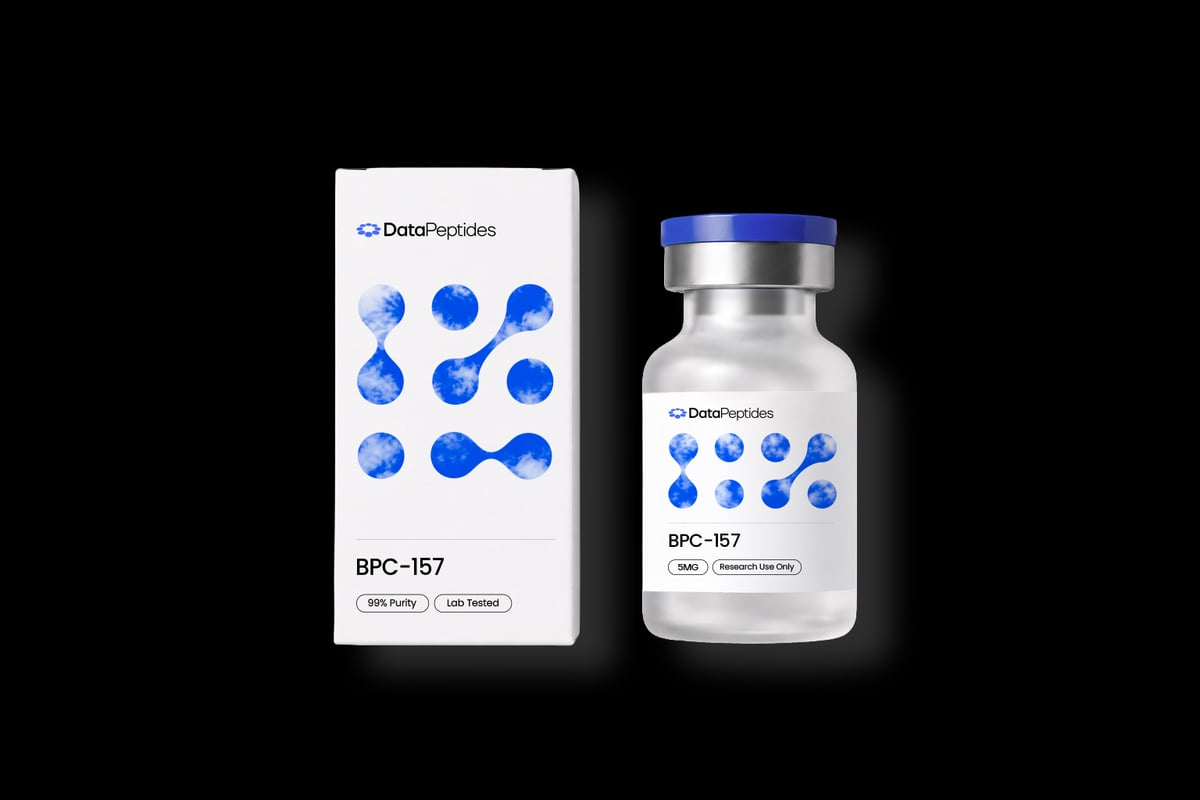
While researchers studying tissue regeneration might explore compounds like BPC-157, which supports healing processes across multiple tissue types, those focused on immune system regulation find TA-1 peptide more directly applicable to their experimental objectives.
Synergistic Research Applications
Some laboratories investigate combinations of immunomodulatory and regenerative peptides to understand complex healing processes that involve both immune regulation and tissue repair. The clinical applications of TA-1 peptide in various therapeutic contexts provide valuable reference points for designing comprehensive research protocols.
Quality Control and Verification Standards
Laboratory research demands the highest purity standards for peptide compounds. TA-1 peptide quality directly impacts experimental reproducibility and data interpretation, making verification protocols essential components of research planning.
Purity Assessment Methods
High-performance liquid chromatography (HPLC) serves as the gold standard for peptide purity verification. Research-grade TA-1 peptide should demonstrate purity levels exceeding 98% as determined by HPLC analysis. Mass spectrometry provides complementary verification of molecular weight and sequence accuracy.
Third-party batch testing adds an independent verification layer that enhances confidence in experimental results. Each batch should include certificates of analysis documenting:
- HPLC purity percentage
- Mass spectrometry confirmation
- Endotoxin levels (typically <1.0 EU/mg)
- Peptide content by weight
- Reconstitution recommendations
Manufacturing and Source Considerations
The origin and manufacturing process significantly influence peptide quality. US-manufactured peptides produced under controlled conditions typically offer greater consistency and reliability than compounds from less regulated sources. Solid-phase peptide synthesis (SPPS) represents the preferred production method, allowing precise control over sequence fidelity and post-synthesis modifications.
Researchers should verify that suppliers maintain appropriate documentation, including batch records, analytical certificates, and quality management systems. These factors become particularly important when planning multi-year research projects requiring consistent peptide quality across multiple experimental phases.
Regulatory and Compliance Context
Understanding the regulatory status of TA-1 peptide helps researchers navigate appropriate use parameters and documentation requirements. While the compound has achieved approval in over 35 countries for specific therapeutic applications, its use in laboratory settings follows different regulatory frameworks.
Research-Only Designation
In the United States, TA-1 peptide available through research suppliers is explicitly designated for laboratory investigation only. This designation means the compound is not intended for human consumption, animal treatment, or clinical applications outside approved research protocols.
Documentation requirements for laboratory use include:
- Institutional review board approval for human-derived sample studies
- Institutional animal care and use committee approval for animal research
- Proper laboratory safety protocols and material safety data sheets
- Chain of custody records for controlled substance tracking
- Waste disposal procedures compliant with institutional and regulatory guidelines
International Research Standards
Different countries maintain varying regulatory approaches to peptide research. The historical development of TA-1 peptide includes extensive clinical investigation in multiple jurisdictions, creating a substantial body of reference literature for research design.
Researchers collaborating across international boundaries should verify compliance with all applicable regulations in their respective jurisdictions. This includes import/export documentation, institutional approvals, and adherence to good laboratory practices (GLP) standards where applicable.
Safety Profile and Laboratory Handling
While TA-1 peptide demonstrates a favorable safety profile in research contexts, proper laboratory handling procedures remain essential for personnel safety and experimental integrity.
Personnel Safety Protocols
Standard laboratory practices for handling bioactive peptides apply to TA-1 peptide research. Personal protective equipment should include:
- Nitrile or latex gloves to prevent skin contact
- Laboratory coats to protect clothing and skin
- Safety glasses when handling lyophilized powder or solutions
- Fume hood use during reconstitution to prevent aerosol exposure
Accidental exposure protocols should be established before beginning research. While TA-1 peptide exhibits minimal toxicity in research settings, any unintended contact with skin or mucous membranes should be thoroughly rinsed with water, and incidents should be documented according to institutional safety procedures.
Waste Disposal Considerations
Proper disposal of TA-1 peptide waste materials follows institutional chemical waste management protocols. Unused reconstituted peptide, contaminated tips, tubes, and culture materials should be collected in designated biohazard containers. Autoclaving typically provides adequate decontamination before final disposal through approved waste management services.
Documentation of waste disposal helps maintain complete laboratory records and supports compliance with environmental and safety regulations. Some institutions require specific tracking for bioactive peptides, even when designated for research use only.
Emerging Research Directions
Current scientific investigation continues to reveal new dimensions of TA-1 peptide function, opening additional research avenues for immunology laboratories. Understanding these emerging directions helps researchers identify novel experimental opportunities and collaborative possibilities.
Combination Immunology Studies
Recent research explores how TA-1 peptide interacts with other immune modulators, both endogenous and exogenous. These combination studies examine potential synergistic effects, optimal timing sequences, and mechanistic interactions that could enhance understanding of complex immune processes.
Areas of active investigation include:
- Checkpoint molecule interactions: How TA-1 peptide influences PD-1, CTLA-4, and other immune checkpoints
- Cytokine network effects: Integration with IL-2, IL-12, and interferon pathways
- Microbiome relationships: Impact of gut immune modulation on systemic TA-1 peptide effects
- Metabolic immunology: Connections between immune activation and cellular metabolism
- Aging immunity: Application to immunosenescence research and age-related immune decline
Advanced Analytical Approaches
Modern research technologies enable increasingly sophisticated analysis of TA-1 peptide mechanisms. Single-cell sequencing techniques reveal heterogeneous responses within cell populations, while advanced imaging methods track real-time cellular responses to peptide exposure.
Systems biology approaches integrate multiple data types to construct comprehensive models of TA-1 peptide effects across cellular networks. These methodologies combine transcriptomics, proteomics, and metabolomics data to identify previously unknown pathways and regulatory nodes.
Practical Considerations for Research Planning
Successful TA-1 peptide research requires careful planning that extends beyond basic protocol design. Researchers should consider several practical factors that influence experimental success and data quality.
Experimental Design Elements
Well-designed TA-1 peptide studies incorporate appropriate controls, sufficient replication, and clearly defined endpoints. Key planning considerations include:
- Sample size calculations: Determine adequate numbers for statistical significance
- Positive controls: Include known immune activators for comparison
- Negative controls: Use vehicle-only and untreated samples
- Time course analysis: Plan multiple time points to capture dynamic responses
- Dose-response relationships: Test multiple concentrations to establish EC50 values
Budget and Resource Allocation
Research-grade TA-1 peptide represents a significant investment, making efficient resource planning essential. Considerations include bulk purchasing for extended studies, appropriate aliquoting to minimize freeze-thaw cycles, and accurate calculation of total peptide requirements based on experimental design.
Laboratories should account for quality control requirements, including verification testing for each new batch. While this adds upfront costs, it prevents expensive failed experiments due to degraded or impure peptide preparations.
Integration with Broader Peptide Research
TA-1 peptide research often connects with broader investigations into peptide biology, immune function, and cellular signaling. Understanding these connections helps researchers position their work within larger scientific contexts and identify collaborative opportunities.
For laboratories exploring multiple aspects of cellular regulation, considering how immune modulation intersects with other physiological processes can reveal novel research questions. The relationship between immune function and gut health, for example, represents one area where TA-1 peptide research might complement investigations into intestinal immunity and barrier function.
Cross-Disciplinary Applications
TA-1 peptide research extends beyond traditional immunology, touching fields including:
- Regenerative medicine: Immune modulation's role in tissue healing
- Oncology research: Tumor immunity and immunosurveillance
- Infectious disease modeling: Host defense mechanisms
- Aging research: Age-related immune decline
- Vaccine development: Adjuvant potential and immune enhancement
Each application requires adapted protocols and specialized measurement techniques, but the fundamental immunomodulatory properties of TA-1 peptide remain central to experimental design.
TA-1 peptide continues to serve as a valuable tool for researchers investigating immune system function, cellular signaling, and complex physiological processes. The compound's well-characterized mechanisms, extensive reference literature, and versatile applications make it an essential consideration for immunology laboratories developing experimental protocols. When research demands high-purity, verified peptides for rigorous scientific investigation, Data Peptides provides laboratory-grade, US-manufactured compounds with third-party batch testing, ensuring the quality and consistency necessary for reproducible, meaningful research outcomes.